How Increasing Trust Can Help to Deliver the 2030 Agenda

The Festival De Datos is here, marking a pivotal moment to assess our journey with data for development. At DG, we’ve championed leveraging data and tech for a more equitable, sustainable world. But to fulfill this vision, we need to push for a fair data future and establish a culture of trust and cooperation in data use.
Two Recommendations for Accelerating Digital Agriculture and Data Use
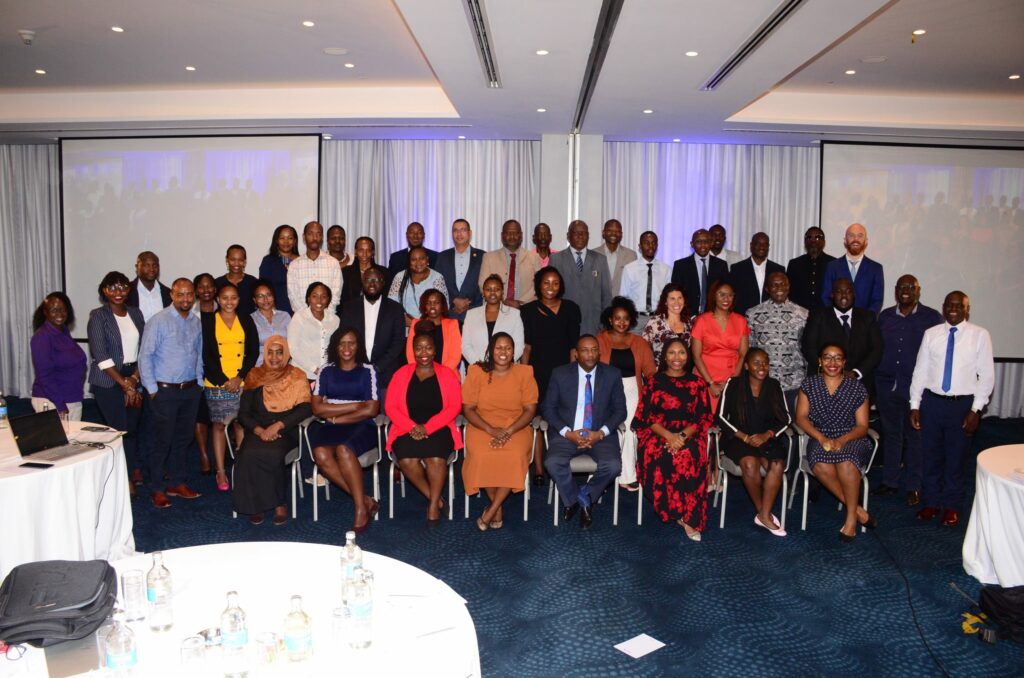
With the aim of improving the efficiency of agriculture data use, Development Gateway: An IREX Venture (DG), Jengalab, and TechChange—with a grant from the International Fund for Agricultural Development (IFAD)—recently held a learning event, titled “Digital Agriculture: Building the Agricultural Systems of Tomorrow,” in Nairobi, Kenya. Participants identified two key recommendations for advancing digital agriculture in order to increase food security.
A Six Step Recipe for Effective Data Use
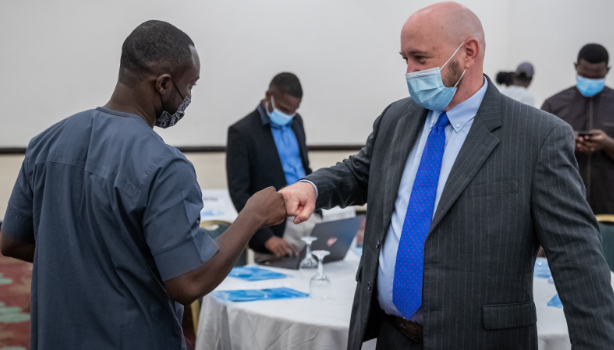
In this blog, DGers Ousmane Koné and Andrea Ulrich explore DG’s six step “recipe” for effective data use.
At a Glance | Evidence-Informed Policymaking: Education Data-Driven Decision Mapping in Kenya and Senegal

Development Gateway: An IREX Venture (DG) and our strategic partner IREX, supported by the William & Flora Hewlett Foundation, conducted a study of the education data systems in Kenya and Senegal. In our findings from this study, we underscore the necessity of a harmonized approach to education data management and share insights that provide a valuable roadmap for future reforms and investments in education data systems.
At a Glance | Tracking Climate Finance in Africa: Political and Technical Insights on Building Sustainable Digital Public Goods
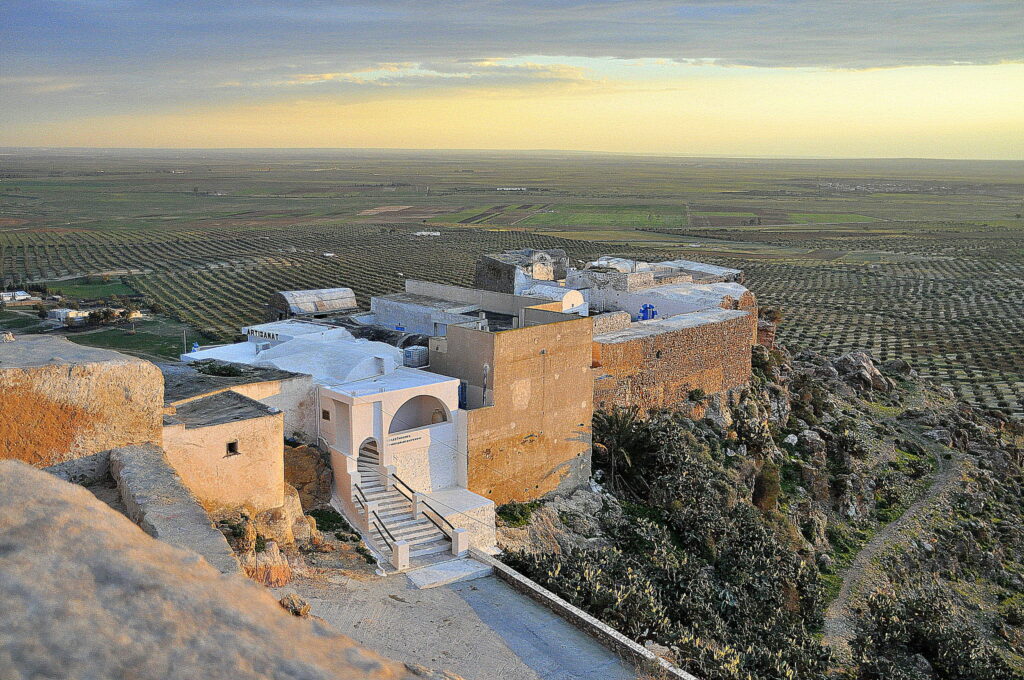
In order to combat the effects of climate change, financing is needed to fund effective climate fighting strategies. Our white paper, “Tracking Climate Finance in Africa: Political and Technical Insights on Building Sustainable Digital Public Goods,” explores the importance of climate finance tracking, common barriers to establishing climate finance tracking systems, and five insights on developing climate finance tracking systems.
Raising Awareness on World No Tobacco Day 2024: DaYTA/TCDI’s Work on Tobacco Industry Interference
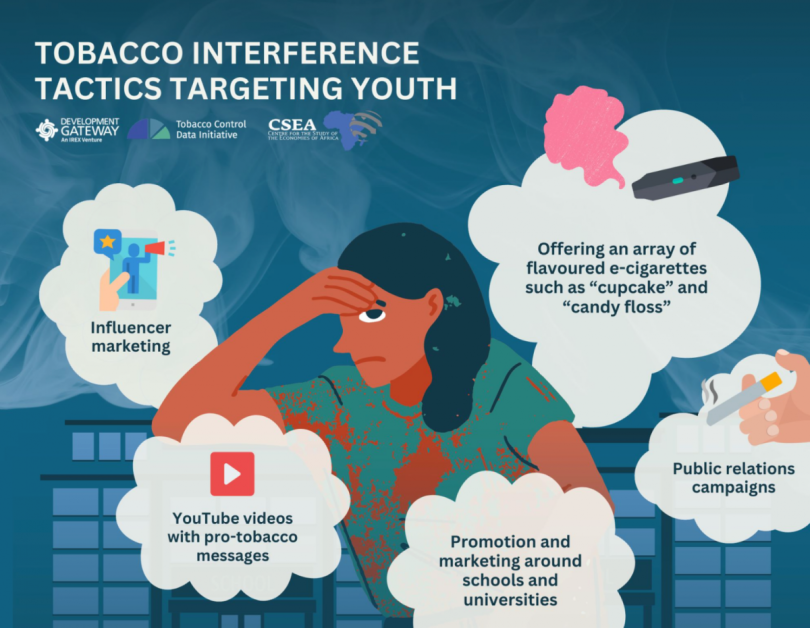
As tobacco companies have aggressively deployed creative strategies to market retail nicotine and tobacco products at children and adolescents, it is imperative that tobacco control stakeholders have access to timely and high-quality data to inform robust policies, regulations, and enforcement mechanisms.
Building a Sustainable Cashew Sector in West Africa Through Data and Collaboration

Cashew-IN project came to an end in August 2024 after four years of working with government agencies, producers, traders, processors, and development partners in the five implementing countries to co-create an online tool aimed to inform, support, promote, and strengthen Africa’s cashew industry.
This blog outlines some of the key project highlights, including some of the challenges we faced, lessons learned, success stories, and identified opportunities for a more competitive cashew sector in West Africa.
Digital Transformation for Public Value: Development Gateway’s Insights from Agriculture & Open Contracting
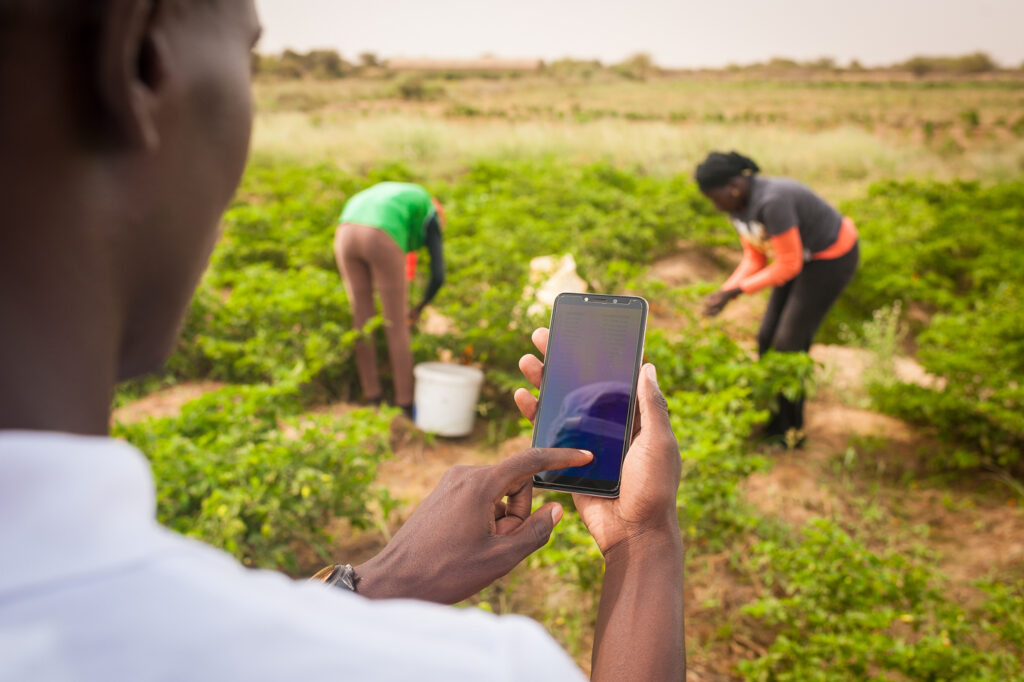
In today’s fast-evolving world, governments and public organizations are under more pressure than ever before to deliver efficient, transparent services that align with public expectations. In this blog, we delve into the key concepts behind digital transformation and how it can enhance public value by promoting transparency, informing policy, and supporting evidence-based decision-making.
From Data Gaps to Impact: Key Insights from the VIFAA Program
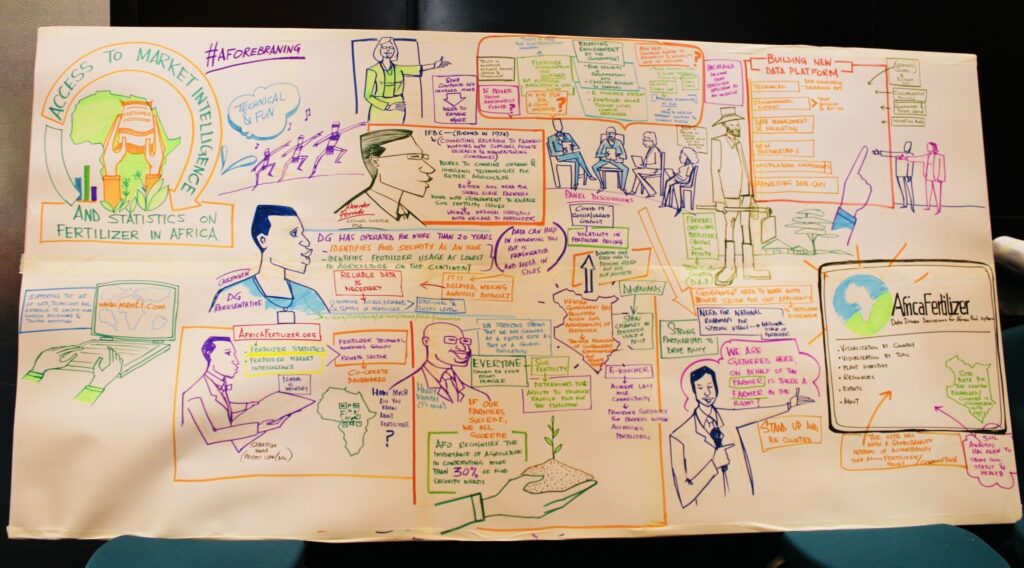
Over the last six years, DG, together with its partners AfricaFertilizer (AFO) and Wallace & Associates, collaborated to implement the Visualizing Insights on Fertilizer for African Agriculture (VIFAA) Program. In the program’s final year (2024), the team undertook a “program learning process” to reflect on outcomes, challenges, and successes through internal interviews. This blog captures five key learnings, which we hope will guide similar programs aiming to bridge data gaps in agricultural development.