Farmer-Centric Data Governance Models: Protecting Farmers and Food Systems Today and Tomorrow

As farmers become more reliant on AgTech, they may find that the AgTech providers controlling these technologies (i.e., companies, nonprofits, and governments) are more integrated than ever before, resulting in a few organizations having unprecedented access to and control of farmers’ data. This dynamic results in positive and negative outcomes for farmers. Therefore, farmers face the paradox of using AgTech and adding value to their work, communities, and food systems while giving large amounts of data to AgTech companies that have, at best, limited plans for protecting farmers’ data. In this blog, we identified recommendations and next steps for AgTech providers on how to ensure that their technology benefits smallholder farmers.
Climate Action Data for the Sahel Region: Announcing Development Gateway’s Great Green Wall Accelerator Multipurpose Platform
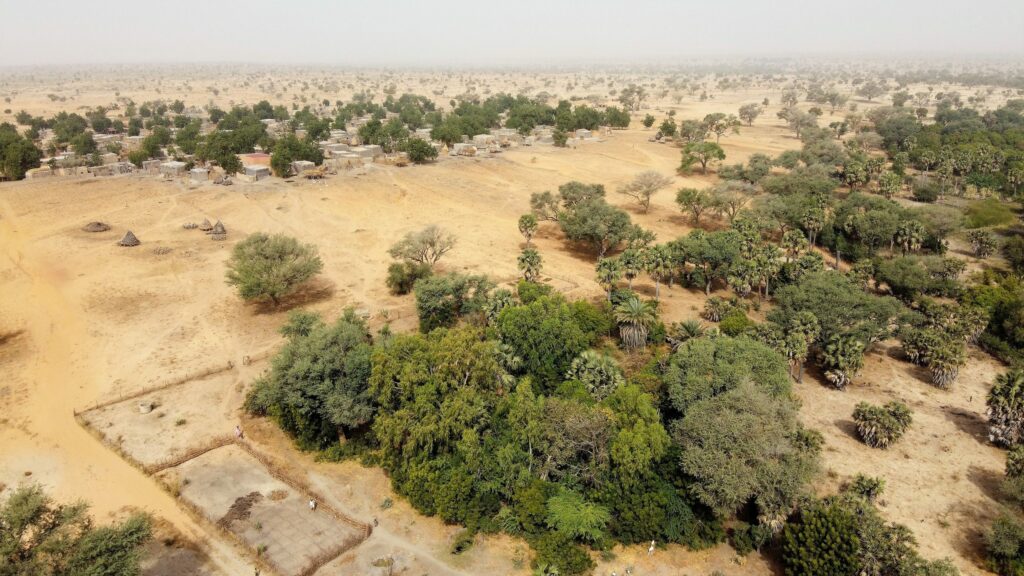
Development Gateway: An IREX Venture (DG)—with funding from the United Nations Convention to Combat Desertification (UNCCD)—is pleased to announce a new project, the Great Green Wall Accelerator Multipurpose Platform. By allowing donors, partner states, and implementing agencies to share data and information on financial commitments, project implementation, and best practices, the Great Green Wall Accelerator Multipurpose Platform will ultimately improve effectiveness and efficiency in the design and implementation of the Great Green Wall initiative.
DG Launches Digital Agriculture Resources Portal to Advance Digital Agriculture in Africa, the Middle East, & Central Asia
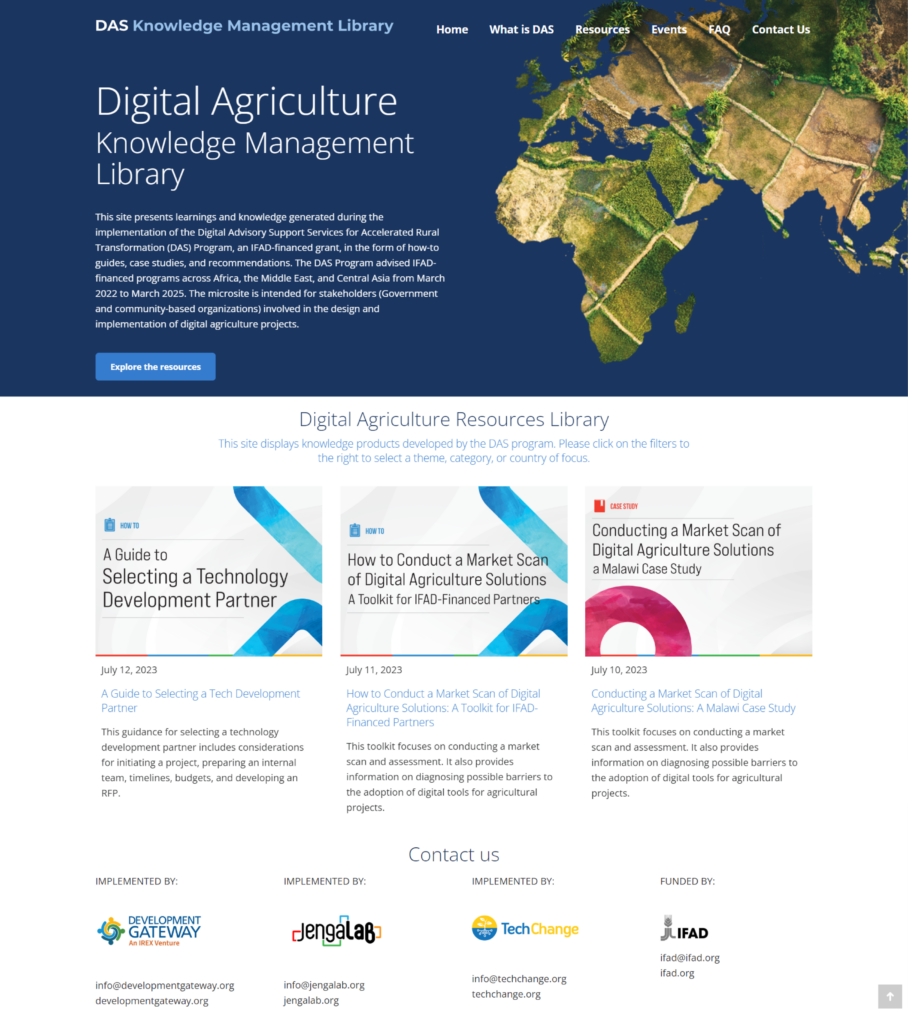
DG is pleased to announce the launch of our Digital Agriculture Knowledge Management Library, which is a digital repository of resources detailing digital agriculture best practices. These resources were created as part of our DAS program in order to support individuals and groups across Africa, the Middle East, and Central Asia as they advance local and regional agricultural systems through the implementation of digital tools and technologies.
A Six Step Recipe for Effective Data Use
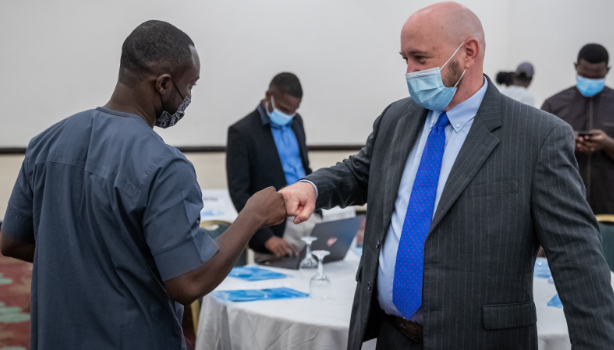
In this blog, DGers Ousmane Koné and Andrea Ulrich explore DG’s six step “recipe” for effective data use.
Équilibrer les besoins : Trois idées pour construire une approche de co-conception dans plusieurs pays
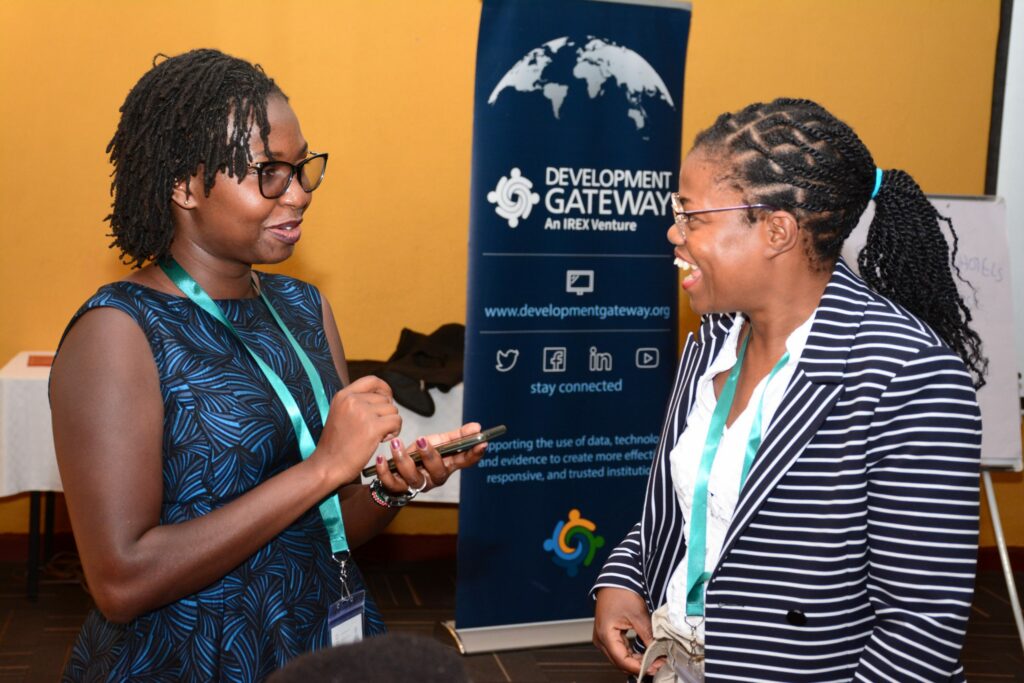
En réfléchissant à la première année du programme DaYTA de DG, nous avons identifié trois idées sur la meilleure façon de co-concevoir avec des parties prenantes représentant plusieurs pays.
Balancing Needs: Three Insights in Building a Co-Design Approach Across Multiple Countries
In reflecting on DG’s first year of the DaYTA program, we’ve identified three insights on how best to co-design with stakeholders representing multiple countries.
Announcing TCDI 2.0: In Partnership with the Center for the Study of the Economies of Africa

DG is excited to announce that not only is our Tobacco Control Data Initiative (TCDI) continuing for another four years but we have selected the Center for the Study of the Economies of Africa (CSEA) to be our sustainability partner throughout the second phase of TCDI!
DG’s Tobacco Control Data Initiative: Reflecting on the First Four Years (Part 1)
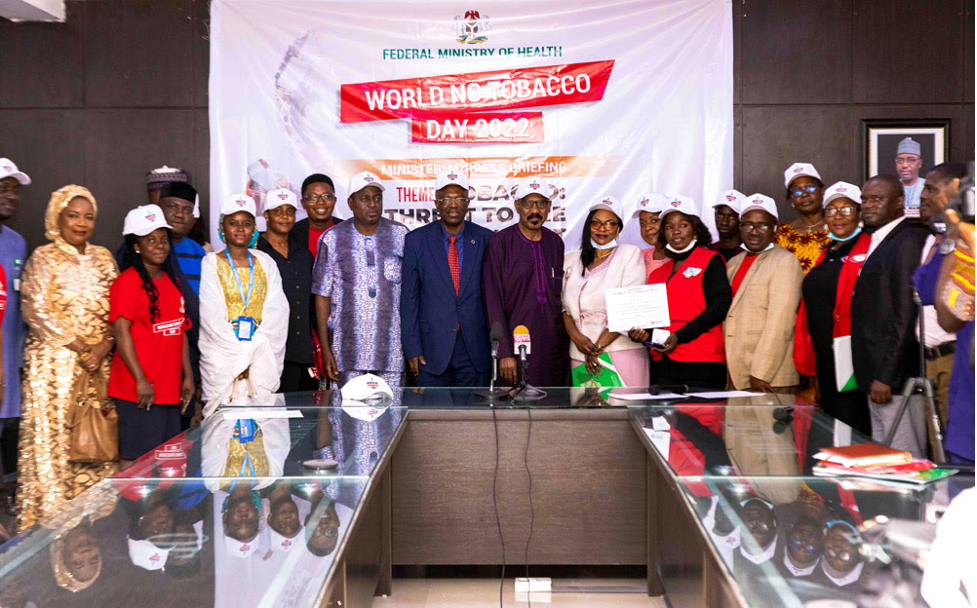
As we reach the end of the first four years of TCDI, we reflect on what we’ve accomplished and take stock of lessons we learned while sharing tobacco control data with officials who are monitoring and passing tobacco control legislation in Africa while working in civil society, academia, and government.
Three “Hacks” in Advancing Anti-Corruption Work To Strengthen Accountability
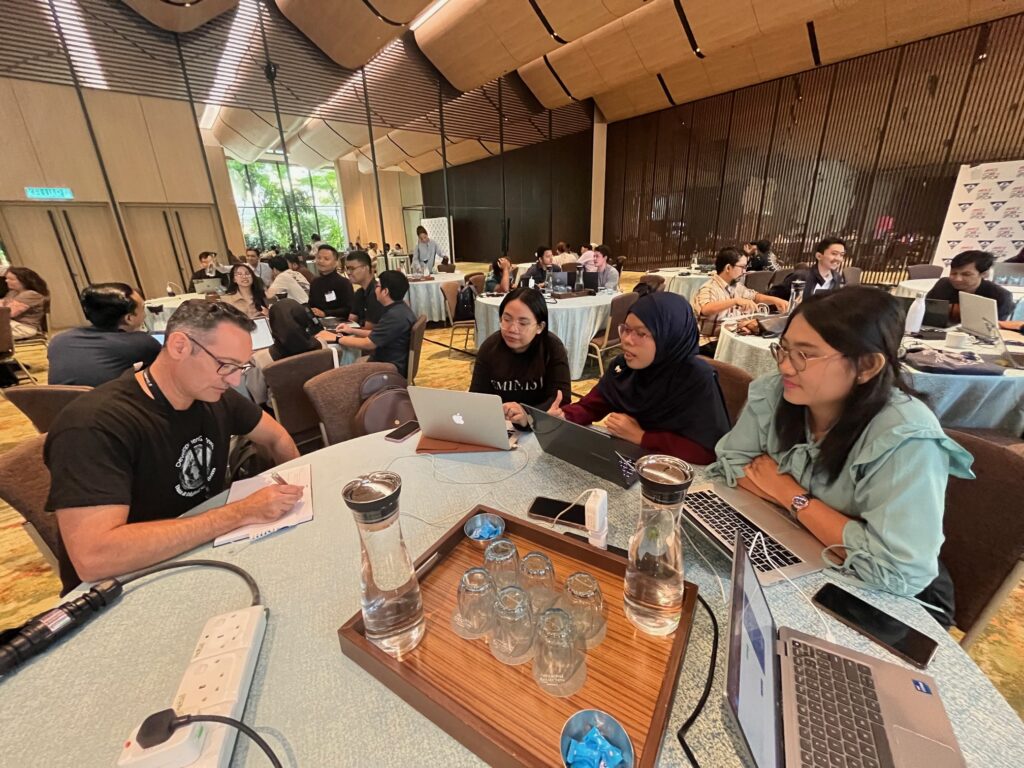
Since partnering with Accountability Lab (AL) on HackCorruption in 2023, staff from Development Gateway: An IREX Venture (DG) and AL have mentored teams from the hackathons hosted by the project, which is aimed at leveraging innovative digital tools to identify and fight corruption. After serving as the mentorship team for hackathon winners, DGers Gabriel Inchauspe and Kelley Sams, along with AL’s David Sada have identified three hacks in mentoring anti-corruption change-makers and ultimately, furthering transparency and accountability through the creation and use of digital tools.