
Stakeholder, Where Art Thou?: Three Insights on Using Governance Structures to Foster Stakeholder Engagement

Through our Tobacco Control Data Initiative (TCDI) program and its sister program Data on Youth and Tobacco in Africa (DaYTA), we have learned that creating governance structures, such as advisory boards or steering committees, is one approach to ensuring that digital solutions appropriately meet stakeholders’ needs and foster future stakeholder engagement. In this blog, we explore three insights on how governance structures can advance buy-in with individual stakeholders while connecting them to one another.
Raising Awareness on World No Tobacco Day 2024: DaYTA/TCDI’s Work on Tobacco Industry Interference
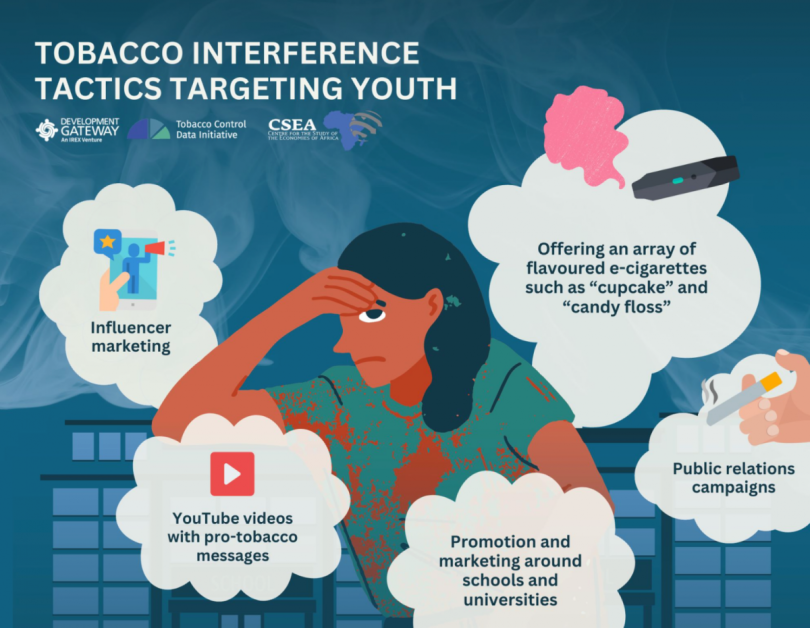
As tobacco companies have aggressively deployed creative strategies to market retail nicotine and tobacco products at children and adolescents, it is imperative that tobacco control stakeholders have access to timely and high-quality data to inform robust policies, regulations, and enforcement mechanisms.
Diving into the DaYTA Program’s Data Collection Process
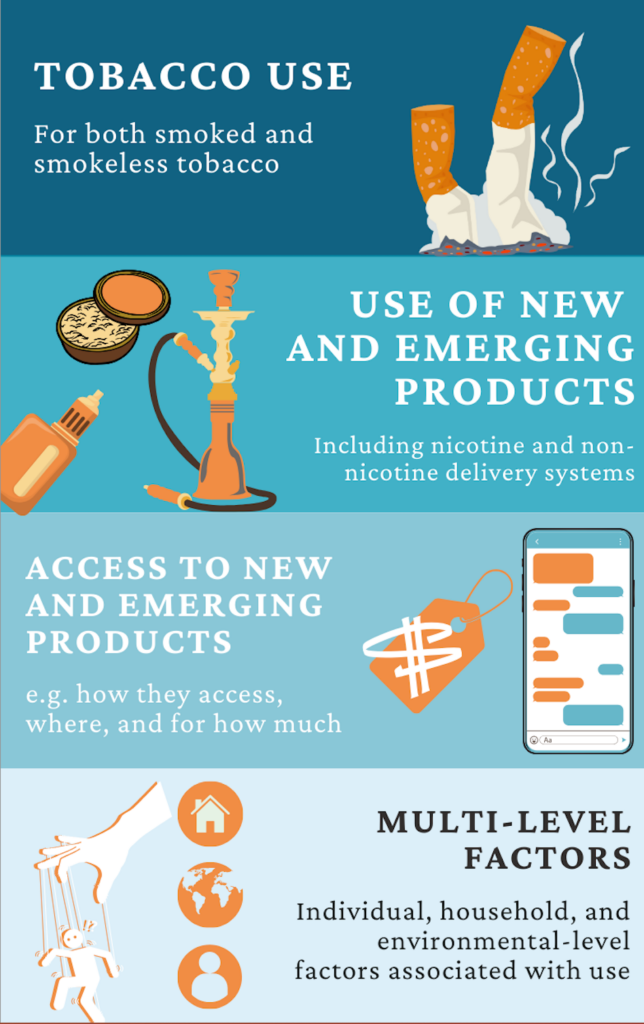
This blog explores key insights from the DaYTA program, offering practical guidance for researchers on effective data collection, overcoming field challenges, and leveraging local partnerships to enhance tobacco control efforts. This piece is especially timely following DaYTA’s workshop convening all 3 study country stakeholders to review the survey results and strategize on how best to disseminate this data to target audiences. This workshop took place from in Lagos, Nigeria, from November 18-20th.
The Need for Health Taxes to Raise Revenues

With aid declining and fiscal pressures rising, countries face widening gaps in funding essential services. This blog explores how health taxes can help bridge the gap, drawing on insights from DG, TJNA, and WHO at the Financing for Development Conference.
From Standardization to Specificity: Localizing Multi-Country Research

Multi-country research must balance consistency with local realities. While standardization allows reliable comparisons and generalizable insights, local context shapes outcomes. This blog explores how programs can strike that balance effectively.
Harnessing the Power of Data: Tackling Tobacco Industry Influence in Africa

Reliable, accessible data is essential for effective tobacco control, enabling policymakers to implement stronger, evidence-based responses to evolving industry tactics and public health challenges. This blog explores how Tobacco Industry strategies hinder effective Tobacco control in Africa, and highlights how stakeholders are harnessing TCDI Data to counter industry interference.
Beyond Kigali: Where Does Africa Go from Here with AI?

As the AI momentum builds, Development Gateway is asking different questions: where the data comes from, how reliable it is, how legacy systems will supply usable data, and whether governments have the capacity to govern and trust the AI tools they’re being urged to adopt.