
The Data Crisis Following USAID’s Withdrawal: Opportunities to Reimagine Data Systems

For decades, USAID and other US government funding supported global data systems, from health surveys and early warning tools to digital infrastructure for ministries. The abrupt termination of USAID funding has triggered twin crises: a halt to data collection and the undermining of digital systems – reveal existing inefficiencies and instabilities in how data is collected, managed, and shared both within and between countries.
Building a Sustainable Cashew Sector in West Africa Through Data and Collaboration

Cashew-IN project came to an end in August 2024 after four years of working with government agencies, producers, traders, processors, and development partners in the five implementing countries to co-create an online tool aimed to inform, support, promote, and strengthen Africa’s cashew industry.
This blog outlines some of the key project highlights, including some of the challenges we faced, lessons learned, success stories, and identified opportunities for a more competitive cashew sector in West Africa.
Unlocking Africa’s Agricultural Potential: Introducing the Soil Nutrient Roadmap

For over a decade, Development Gateway: An IREX Venture (DG) has been at the forefront of digital agriculture, leveraging agricultural data to support input monitoring, value chain analysis, and farmer-centric governance models. With funding from the Gates Foundation, DG is launching the Soil Nutrient Roadmap (SNR), a cutting-edge initiative using geospatial data to estimate current and future soil and crop nutrient requirements.
Enhancing Livestock Traceability in Ethiopia with Mobile Tech
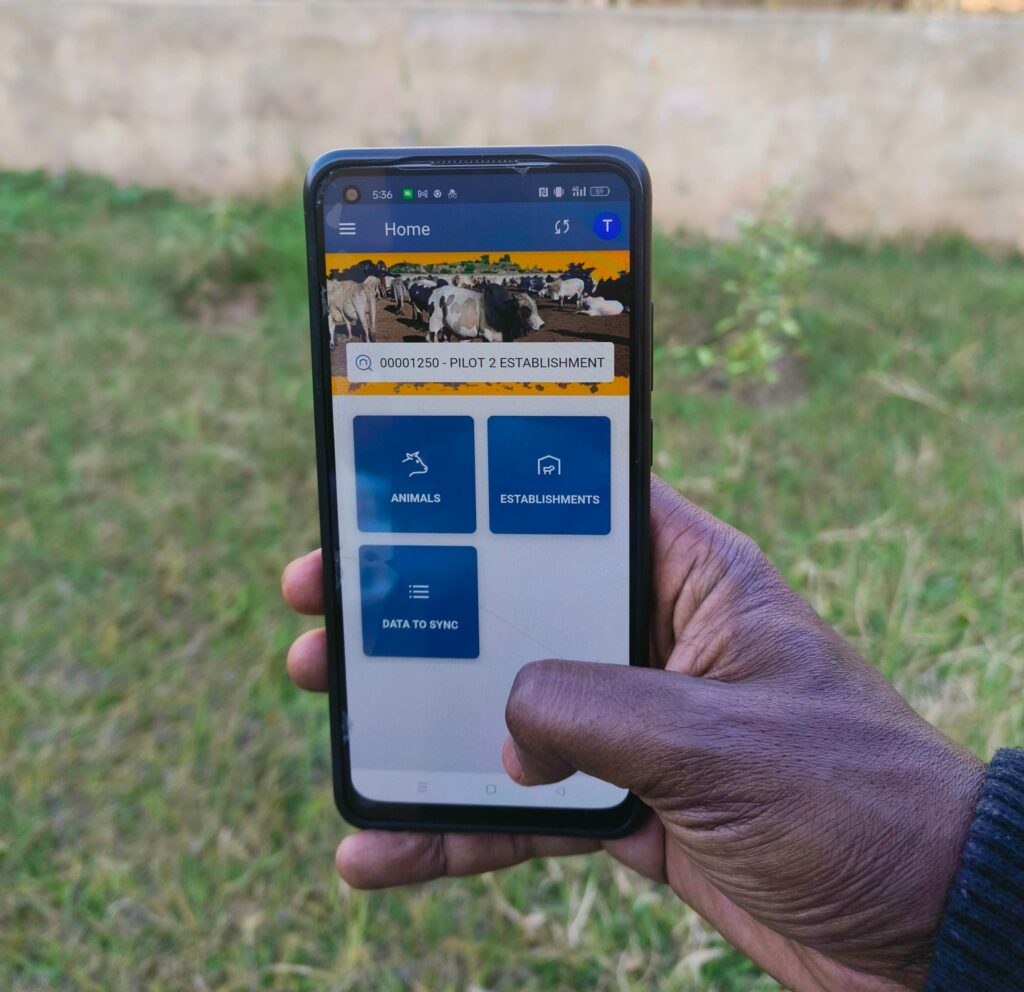
Ethiopia has the largest livestock population in Africa. To support the effective management of this vast sector, Development Gateway, through the aLIVE program, is working to enhance key livestock information systems for Ethiopia’s Ministry of Agriculture. Read more.
The Need for Health Taxes to Raise Revenues

With aid declining and fiscal pressures rising, countries face widening gaps in funding essential services. This blog explores how health taxes can help bridge the gap, drawing on insights from DG, TJNA, and WHO at the Financing for Development Conference.