DG’s Tobacco Control Data Initiative: Reflecting on the First Four Years (Part 1)
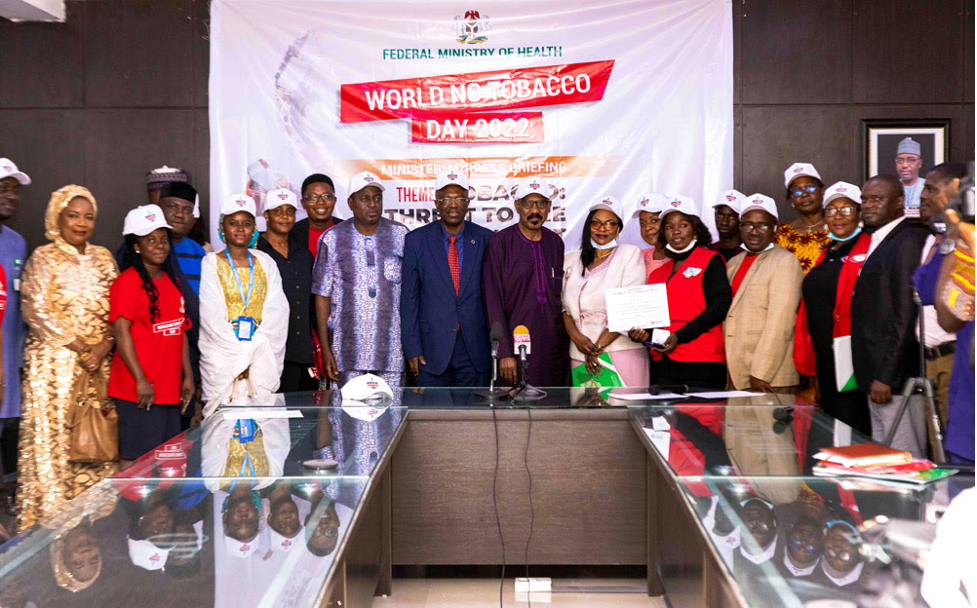
As we reach the end of the first four years of TCDI, we reflect on what we’ve accomplished and take stock of lessons we learned while sharing tobacco control data with officials who are monitoring and passing tobacco control legislation in Africa while working in civil society, academia, and government.
Raising Awareness on World No Tobacco Day 2024: DaYTA/TCDI’s Work on Tobacco Industry Interference
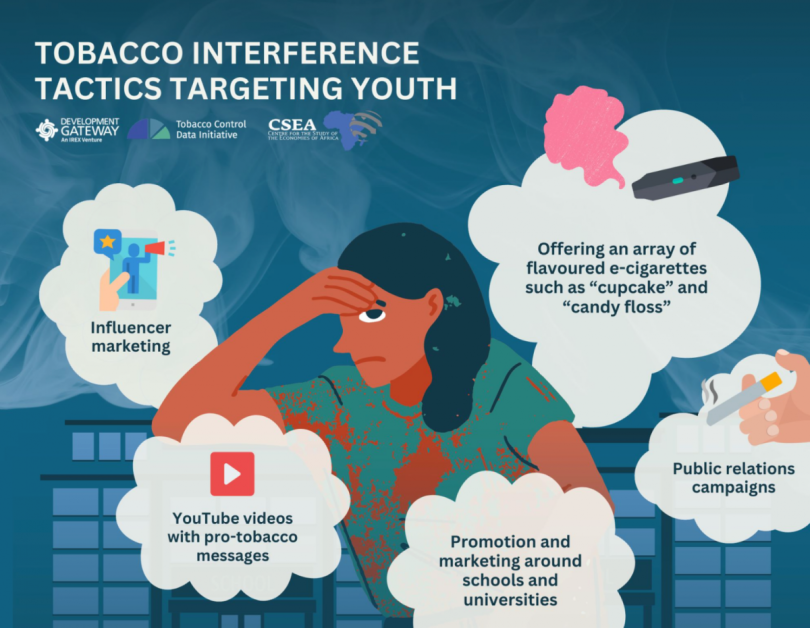
As tobacco companies have aggressively deployed creative strategies to market retail nicotine and tobacco products at children and adolescents, it is imperative that tobacco control stakeholders have access to timely and high-quality data to inform robust policies, regulations, and enforcement mechanisms.
Case Study: Fostering Sustainable Agriculture through Data-Driven Collaboration and Partnership: Ethiopia, Mozambique, and Nigeria
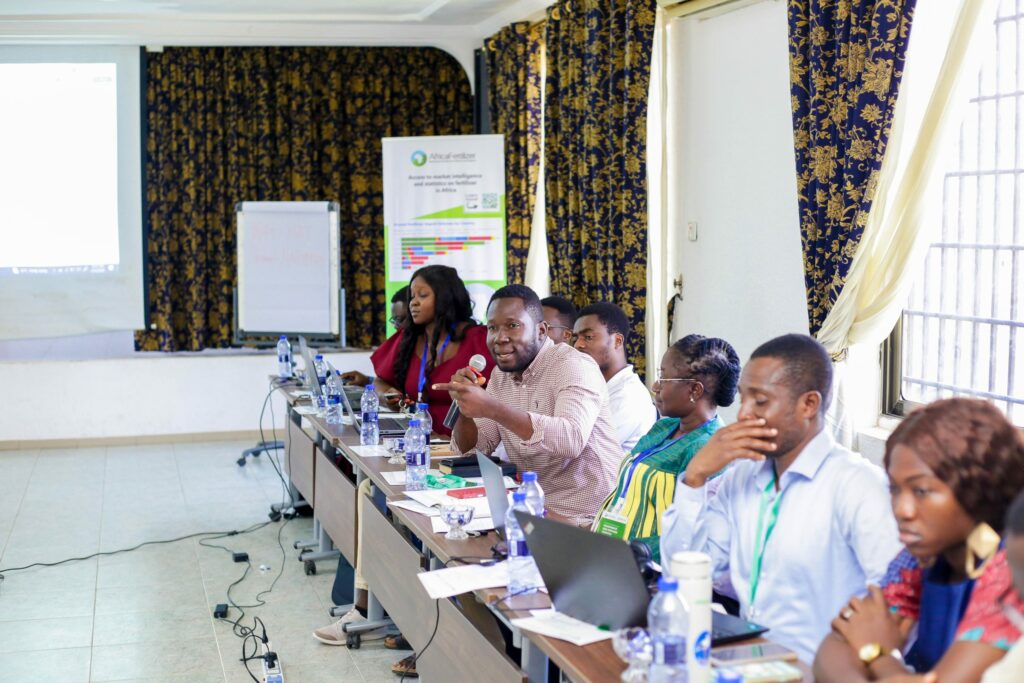
Through DG’s Visualizing Insights on Fertilizer for African Agriculture (VIFAA) program, we recently published a case study titled “Fostering Sustainable Agriculture through Data-Driven Collaboration and Partnership: Ethiopia, Mozambique, and Nigeria.” It dives deep into how the VIFAA program has impacted the fertilizer data and markets in Ethiopia, Mozambique, and Nigeria. In this blog, we explore the overall impact that the VIFAA program is making, why the program was needed, and offer some key highlights from the case study.
Stakeholder, Where Art Thou?: Three Insights on Using Governance Structures to Foster Stakeholder Engagement
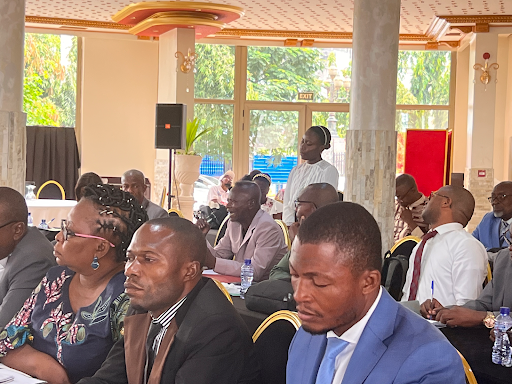
Through our Tobacco Control Data Initiative (TCDI) program and its sister program Data on Youth and Tobacco in Africa (DaYTA), we have learned that creating governance structures, such as advisory boards or steering committees, is one approach to ensuring that digital solutions appropriately meet stakeholders’ needs and foster future stakeholder engagement. In this blog, we explore three insights on how governance structures can advance buy-in with individual stakeholders while connecting them to one another.
Great Green Wall Observatory: A New Data Platform to Support One of Africa’s Most Ambitious Efforts to Combat Climate Change
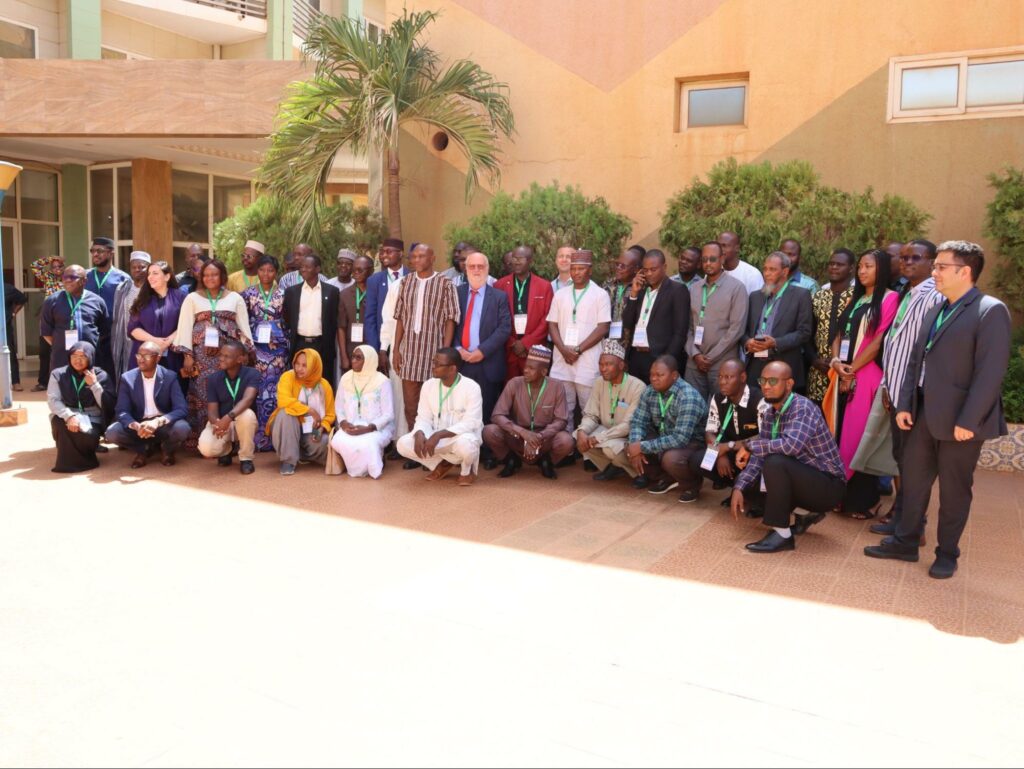
In partnership with UNCCD, GGW Accelerator, and the Pan African Agency for the GGW, DG has launched the Great Green Wall Observatory. This pioneering digital platform monitors the GGW Initiative’s progress, enhancing collaboration, accountability, and transparency across 11 African countries. By providing financial and project management data, the Observatory empowers communities, stakeholders, and policymakers to combat climate change in the Sahara and Sahel regions. With over 302 projects and $15 billion in commitments, this tool promotes robust climate action and fosters local and global engagement.
Building a Sustainable Cashew Sector in West Africa Through Data and Collaboration

Cashew-IN project came to an end in August 2024 after four years of working with government agencies, producers, traders, processors, and development partners in the five implementing countries to co-create an online tool aimed to inform, support, promote, and strengthen Africa’s cashew industry.
This blog outlines some of the key project highlights, including some of the challenges we faced, lessons learned, success stories, and identified opportunities for a more competitive cashew sector in West Africa.
Enhancing Livestock Traceability in Ethiopia with Mobile Tech
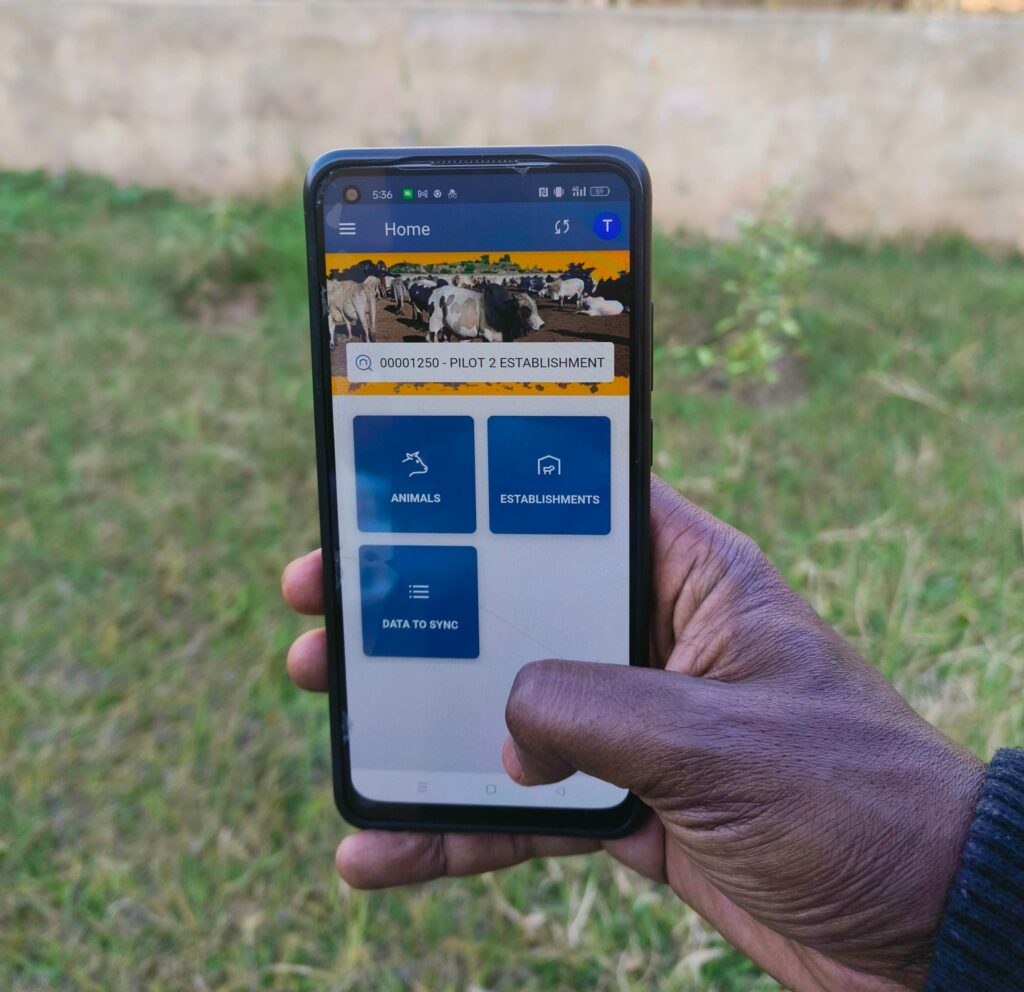
Ethiopia has the largest livestock population in Africa. To support the effective management of this vast sector, Development Gateway, through the aLIVE program, is working to enhance key livestock information systems for Ethiopia’s Ministry of Agriculture. Read more.
Diving into the DaYTA Program’s Data Collection Process
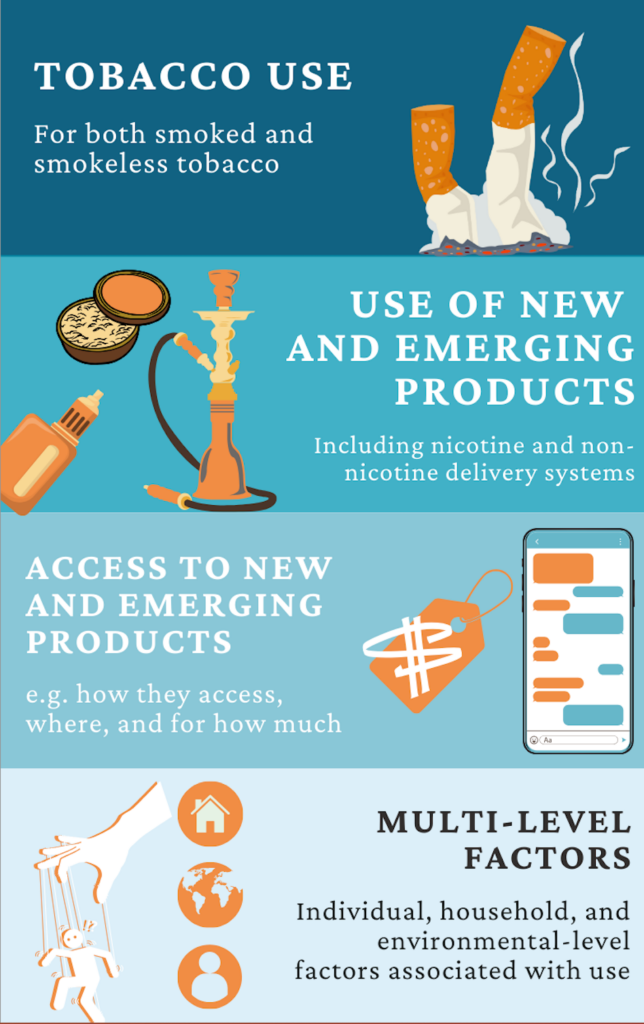
This blog explores key insights from the DaYTA program, offering practical guidance for researchers on effective data collection, overcoming field challenges, and leveraging local partnerships to enhance tobacco control efforts. This piece is especially timely following DaYTA’s workshop convening all 3 study country stakeholders to review the survey results and strategize on how best to disseminate this data to target audiences. This workshop took place from in Lagos, Nigeria, from November 18-20th.
The Need for Health Taxes to Raise Revenues
With aid declining and fiscal pressures rising, countries face widening gaps in funding essential services. This blog explores how health taxes can help bridge the gap, drawing on insights from DG, TJNA, and WHO at the Financing for Development Conference.