
The Cashew-IN 2-Pager (English)
Download the PDF
aLIVE 2-Pager
Download the PDF
Lessons Learned from Visualizing Information on Seeds Using Technology in Africa (TASAI-VISTA)
This white paper highlights successes and challenges during the implementation of the Visualizing Information on Seeds Using Technology in Africa (TASAI-VISTA) program, as the project comes to a close. It details the data collection, analyses, and stakeholder engagement processes informing the development of a suite of digital tools designed for the TASAI team and outlines lessons learned throughout the project implementation.
Farmer-Centric Data Governance: Towards A New Paradigm
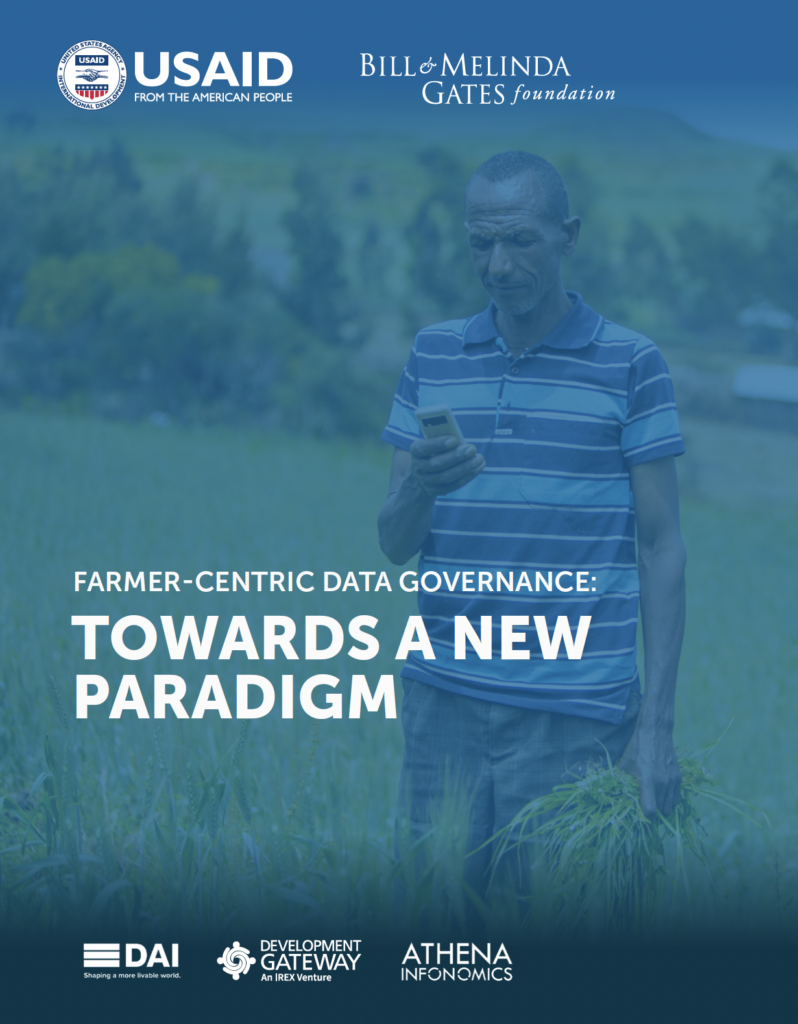
Background The potential benefits of digital agriculture are prolific. However, farm data is generally collected by others, and smallholder farmers rely on external resources, like weather data, and proprietary tools that provide specific advisories. Farmers face a paradox: while the use of data holds much potential, control over power, resources, and data governance challenges raise the possibility that farmers do not benefit from their own data. The current data economy is defined by a paradigm of extraction and a lack of consideration of equity, whereby the role of farmers and communities g
Digital Agricultural Ecosystem in Mali
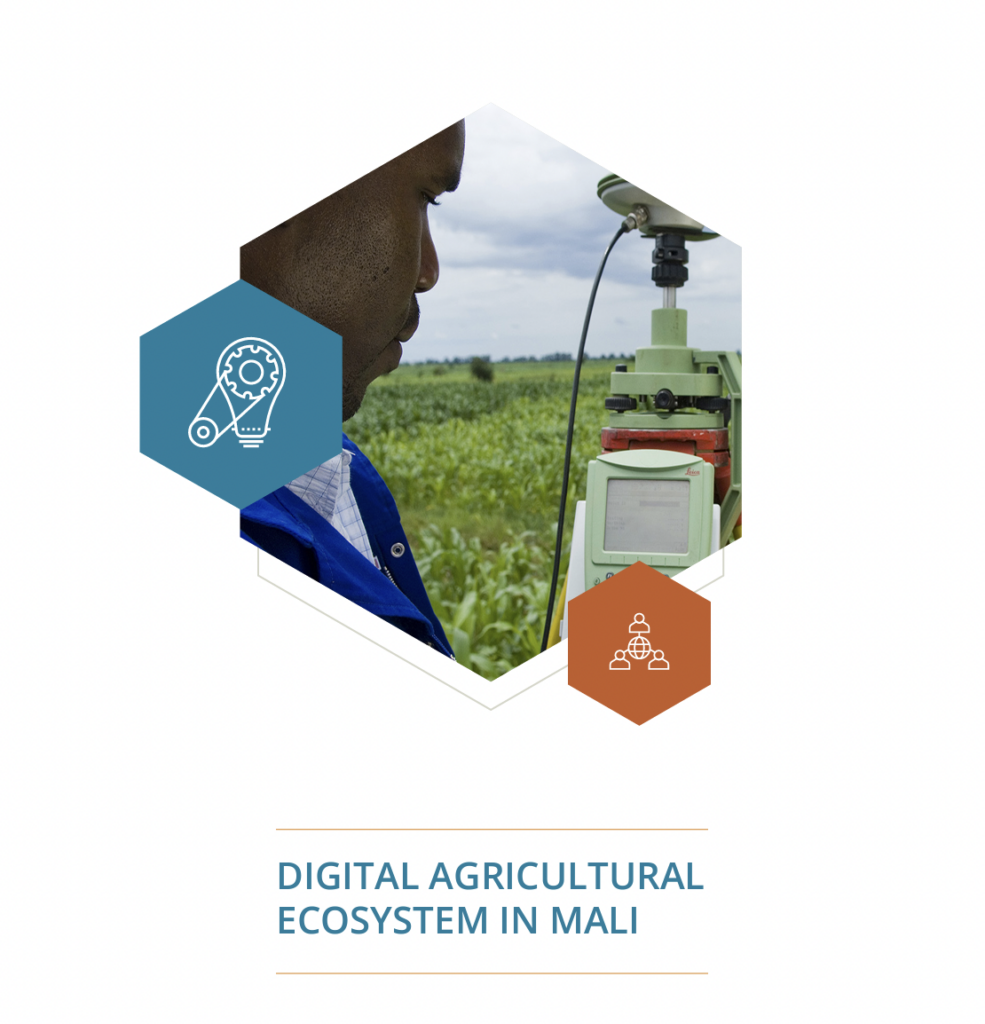
Development Gateway: an IREX Venture (DG) and Athena Infonomics conducted an assessment of the digital agricultural ecosystem in Mali between September 2021 and January 2022. The assessment was conducted using DG’s Custom Assessment Landscape Methodology (CALM), which uses a combination of desktop research and mixed data collection methods, including key informant interviews, surveys, and data analysis to understand the context, collect user needs, and identify the links – or missing links – between key stakeholders in a specific sector.
Ecosystème Numérique Agricole au Mali
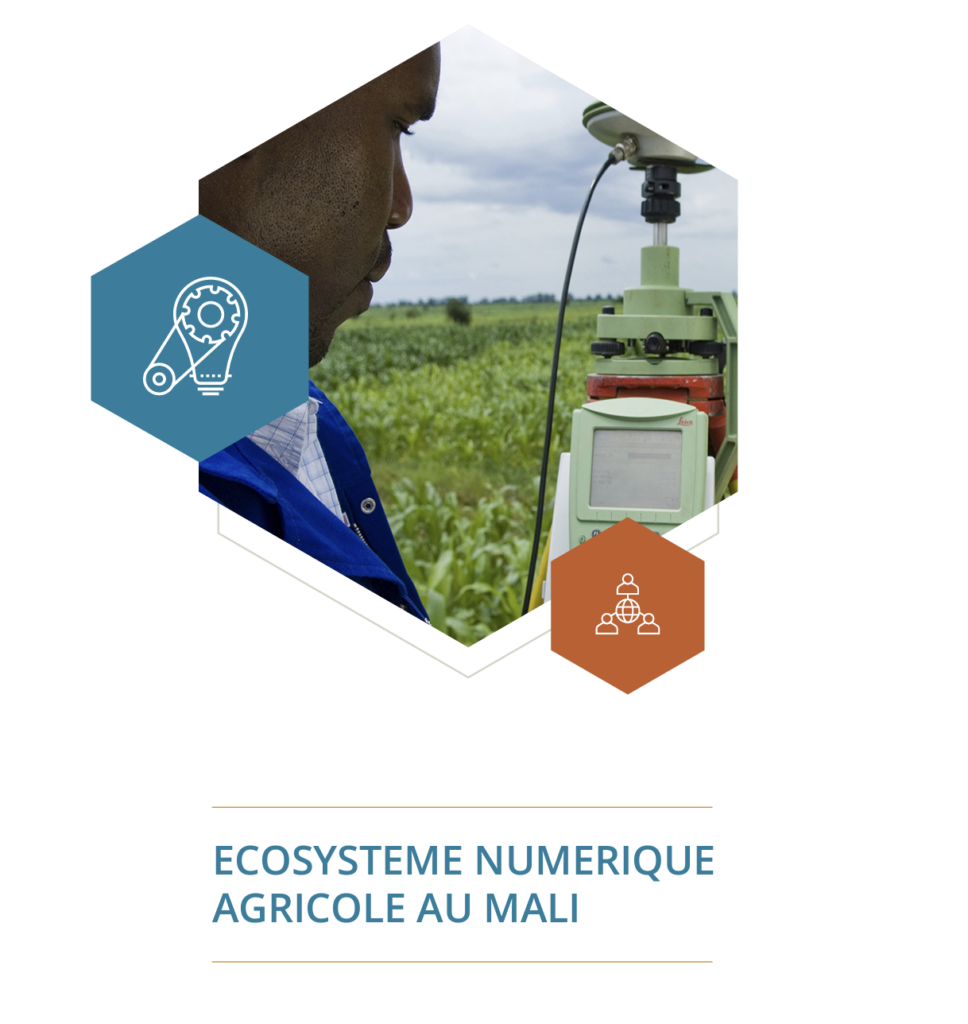
Development Gateway: an IREX Venture (DG) et Athena Infonomics ont effectué une évaluation de l’écosystème agricole numérique au Mali, entre septembre 2021 et janvier 2022, suivant la méthodologie Country Assessment Landscape Methodology (CALM) de DG. La méthodologie CALM combine la recherche documentaire et des méthodes mixtes de collecte de données, telles que les entretiens avec des informateurs clés (EIC), les enquêtes et les analyses fines d’informations, pour comprendre le contexte, recueillir les besoins des utilisateurs et identifier les liens – ou l’absence de liens – entre les parties prenantes d’un secteur spécifique.
Ghana Cropland Mapping – a VIFAA Case Study
Download the PDF
Programme Cashew-IN (Français)
Download the PDF
Assessing the Impact of Data Use on Decision-Making in the Ministry of Agriculture
The aLIVE project has provided data use training and hands-on technical support to the Ministry of Agriculture of Ethiopia digital system owners and experts across the livestock sector to promote data-driven decision-making. This assessment captures the impact of the training and hands-on support.