
Case Study: Fostering Sustainable Agriculture through Data-Driven Collaboration and Partnership: Ethiopia, Mozambique, and Nigeria
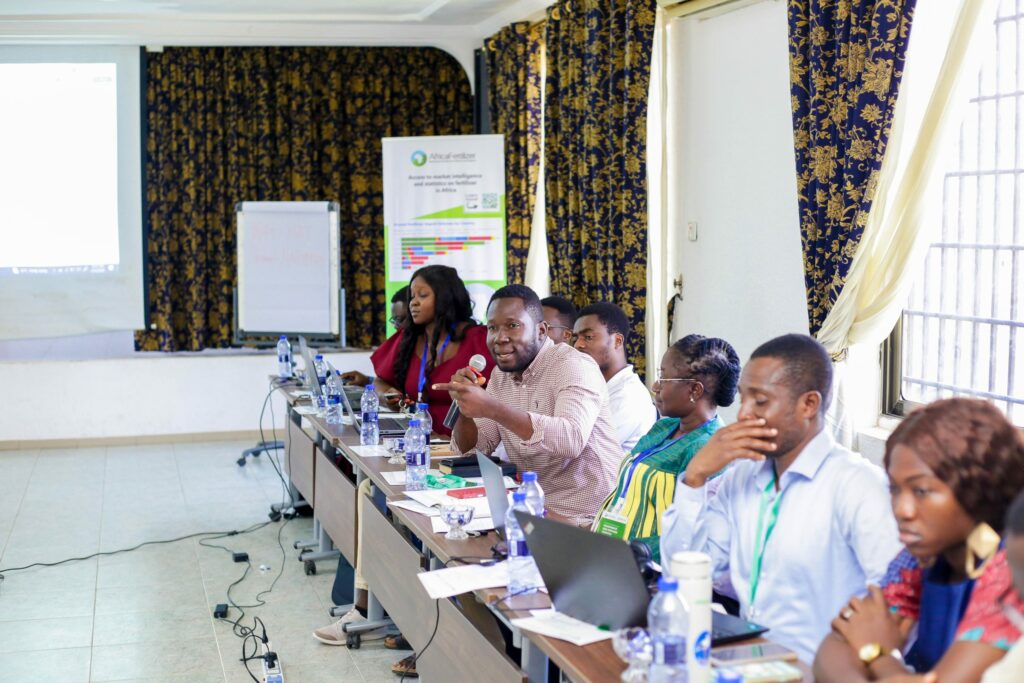
Through DG’s Visualizing Insights on Fertilizer for African Agriculture (VIFAA) program, we recently published a case study titled “Fostering Sustainable Agriculture through Data-Driven Collaboration and Partnership: Ethiopia, Mozambique, and Nigeria.” It dives deep into how the VIFAA program has impacted the fertilizer data and markets in Ethiopia, Mozambique, and Nigeria. In this blog, we explore the overall impact that the VIFAA program is making, why the program was needed, and offer some key highlights from the case study.
Building a Sustainable Cashew Sector in West Africa Through Data and Collaboration

Cashew-IN project came to an end in August 2024 after four years of working with government agencies, producers, traders, processors, and development partners in the five implementing countries to co-create an online tool aimed to inform, support, promote, and strengthen Africa’s cashew industry.
This blog outlines some of the key project highlights, including some of the challenges we faced, lessons learned, success stories, and identified opportunities for a more competitive cashew sector in West Africa.
Unlocking Africa’s Agricultural Potential: Introducing the Soil Nutrient Roadmap

For over a decade, Development Gateway: An IREX Venture (DG) has been at the forefront of digital agriculture, leveraging agricultural data to support input monitoring, value chain analysis, and farmer-centric governance models. With funding from the Gates Foundation, DG is launching the Soil Nutrient Roadmap (SNR), a cutting-edge initiative using geospatial data to estimate current and future soil and crop nutrient requirements.
Digital Transformation for Public Value: Development Gateway’s Insights from Agriculture & Open Contracting
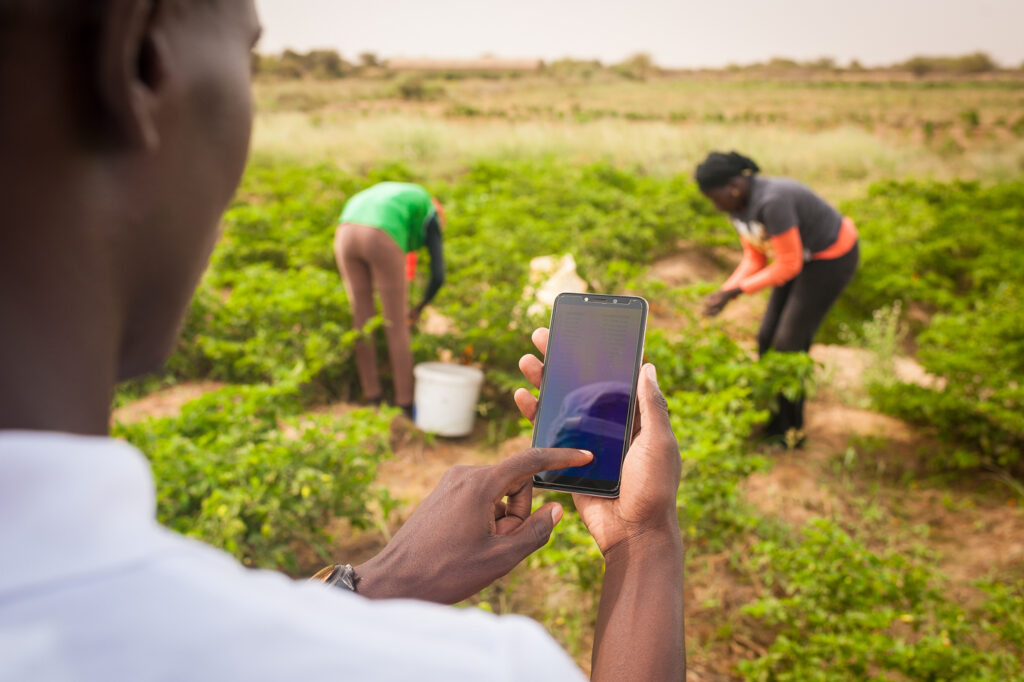
In today’s fast-evolving world, governments and public organizations are under more pressure than ever before to deliver efficient, transparent services that align with public expectations. In this blog, we delve into the key concepts behind digital transformation and how it can enhance public value by promoting transparency, informing policy, and supporting evidence-based decision-making.
From Data Gaps to Impact: Key Insights from the VIFAA Program
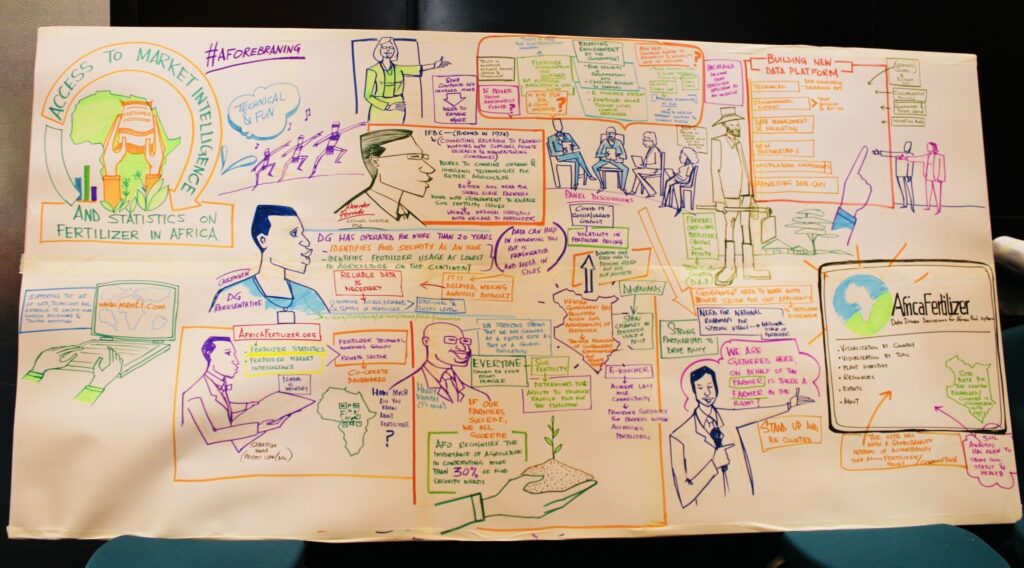
Over the last six years, DG, together with its partners AfricaFertilizer (AFO) and Wallace & Associates, collaborated to implement the Visualizing Insights on Fertilizer for African Agriculture (VIFAA) Program. In the program’s final year (2024), the team undertook a “program learning process” to reflect on outcomes, challenges, and successes through internal interviews. This blog captures five key learnings, which we hope will guide similar programs aiming to bridge data gaps in agricultural development.
Enhancing Livestock Traceability in Ethiopia with Mobile Tech
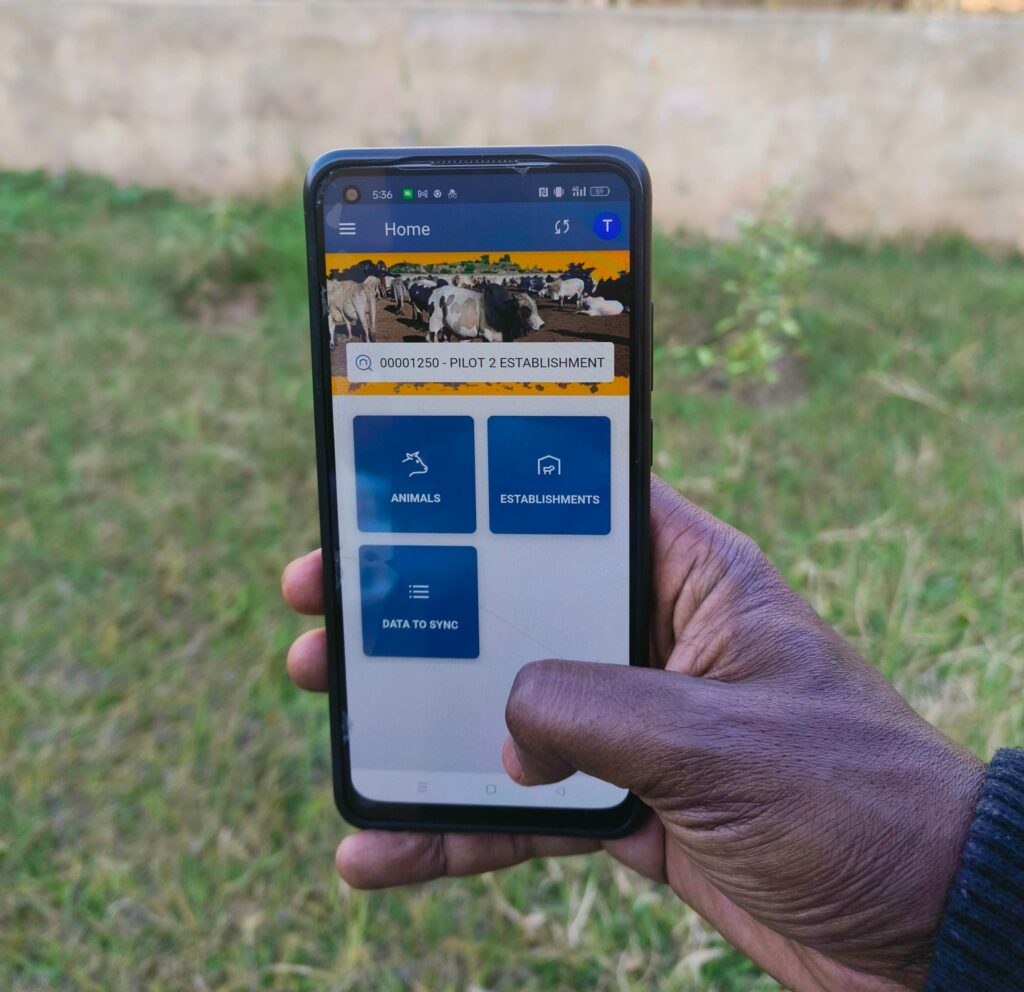
Ethiopia has the largest livestock population in Africa. To support the effective management of this vast sector, Development Gateway, through the aLIVE program, is working to enhance key livestock information systems for Ethiopia’s Ministry of Agriculture. Read more.
Demystifying interoperability: Key takeaways from our new white paper
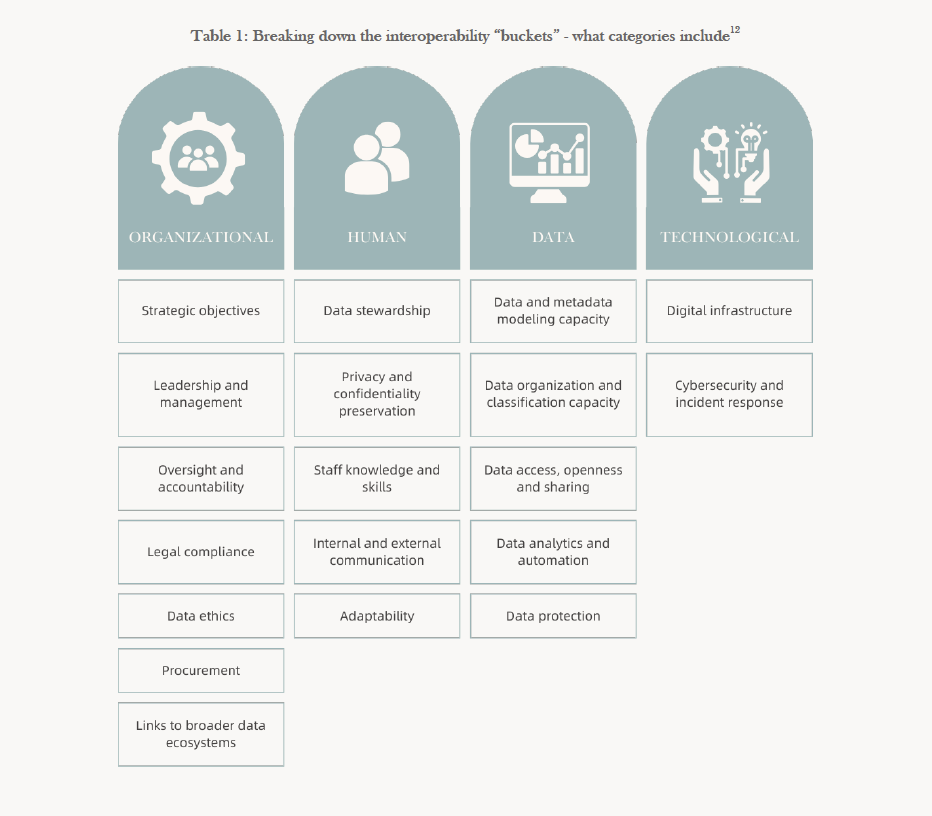
This blog post gives an overview on our latest paper on interoperability, implementing interoperable solutions in partnership with public administrations. Based on over 20 years of DG’s experience, the paper demystifies key components needed to build robust, resilient, and interoperable data systems, focusing on the “how” of data standardization, data governance, and implementing technical infrastructure.
From Data to Impact: Why Data Visualization Matters in Agriculture
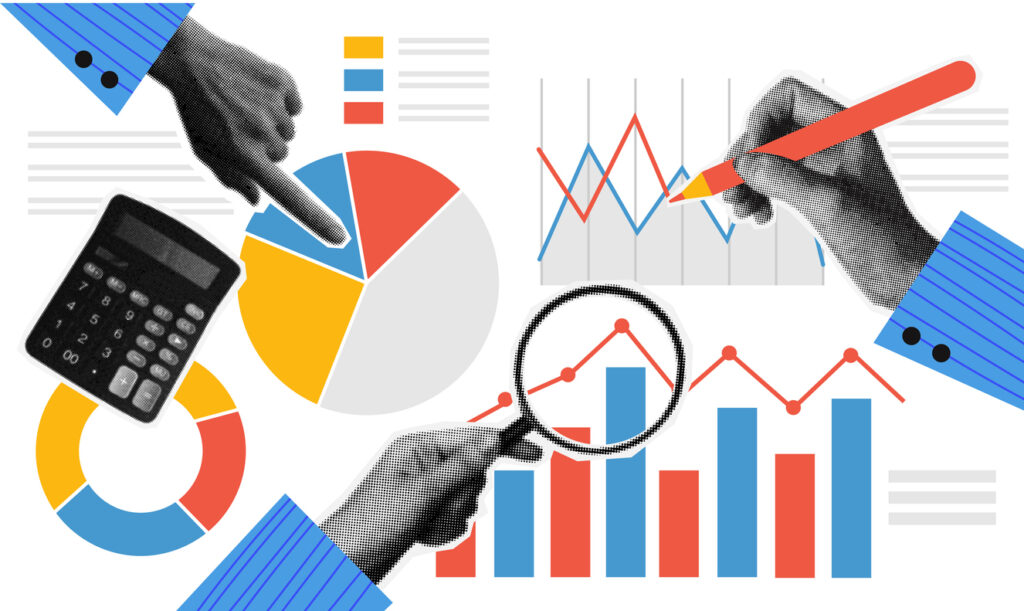
This blog explores why data alone isn’t enough; what matters is turning it into usable insights. In agriculture, where decisions have lasting impacts, user-friendly tools help farmers and policymakers alike make better choices.
Defining Decision-Making: Connecting the Dots Between Data and Impact
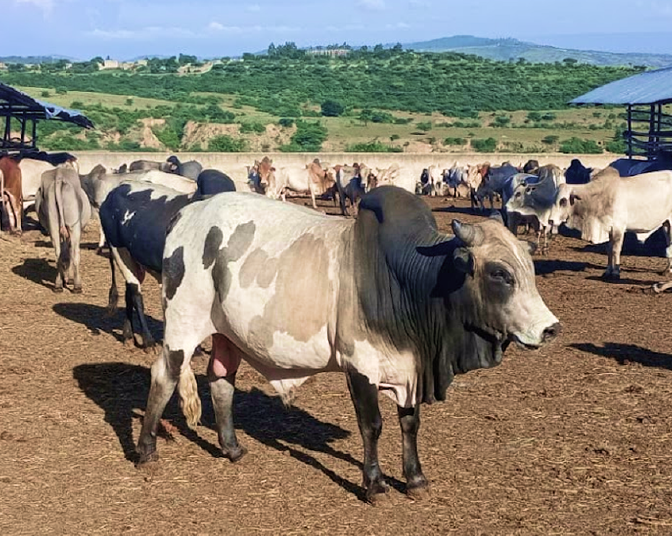
Strong, data-driven decision-making is critical for transforming the livestock sector and achieving national goals for food security and economic growth. However, we often talk about what is needed to enable strong decisions and the potential outcomes of data-driven decision-making without connecting the dots. What decisions are we actually talking about, between the data on one end and the impact on the other? What does data-driven decision-making actually entail?