
Connecting Human, Animal, and Farm: A Case for Investing in Animal ID for DPI
Digital Public Infrastructure for agriculture has gained traction, yet animal identification remains under-integrated. This policy brief explores how linking farmer and animal IDs with national data and payment systems can unlock benefits across trade, finance, public health, and governance.
Demystifying interoperability
This paper discusses, in practical terms, what goes into implementing interoperable solutions in partnership with public administrations. Based on 20+ years of DG’s experience, the paper demystifies key components needed to build robust, resilient, and interoperable data systems, focusing on the “how” of data standardization, data governance, and implementing technical infrastructure.
Episode 1, Season 3 | Why We Need Good Data & Digital Infrastructure for Climate Adaptation
In episode 1, Season 3 of “Data…for What?!,” Vanessa Goas and special guest Sebastian Öhmann, Advisor of the Data Economy Initiative inside the Global Project of Digital Transformation from GIZ, discuss data and digital transformation in relation to climate change adaptation and specifically focusing on climate finance.
Advancing Digital Public Infrastructure: Emerging Practices for Creating Sustainable, Inclusive Systems at Scale

From DG’s more than 20 years of experience in creating, delivering, and adapting open source and open data solutions, we’ve learned several best practices on how to make technology accessible and sustainable while prioritizing engagement from open source communities—these practices can be applied to building and implementing DPIs. In this blog, we’ll explore what DPI is, DG’s approach to DPI, and three best practices that can be used to ensure DPIs are effective and advance inclusion.
Unlocking the potential of digital public infrastructure for climate data and agriculture: Malawi
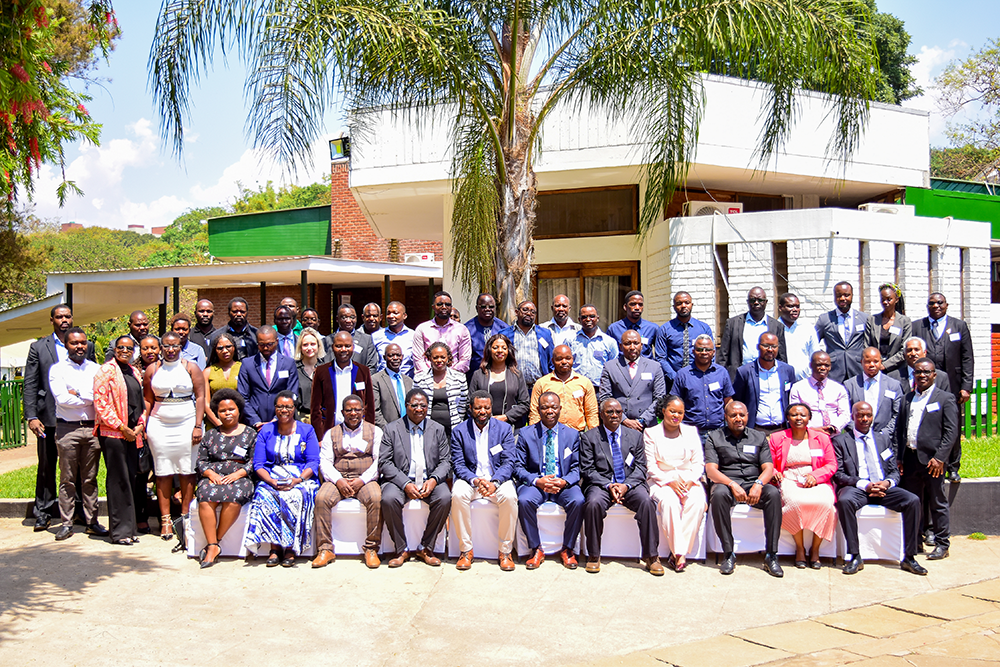
DG’s DAS Program recently attended an event on creating a national digital public infrastructure (DPI) in Malawi in order to increase the impact of climate data to combat current and future agricultural issues caused by climate change. In this blog, we reflect on three insights on DPIs that were revealed during the event discussion.
Five Insights on Country-Led Digital Public Infrastructure Systems to Create a Cohesive Approach throughout Africa

Drawing from Development Gateway: An IREX Venture’s work in implementing country-specific digital solutions that support a cohesive approach across a given region or continent, we have identified five insights on how to go about implementing digital public infrastructure systems at the country-level while having a cohesive approach throughout Africa.
Mythbusters: Digital Public Infrastructure & Digital Public Goods

Although the international community has just now reached consensus on what digital public infrastructure is, there are still a lot of myths and misperceptions around the term, and the open-source technology that often powers it. In this blog, we’ll debunk some common myths we hear about DPI with facts, highlight some successes and failures, and show you some of the open-source DPI tools we’re following.
Digital Transformation for Public Value: Development Gateway’s Insights from Agriculture & Open Contracting

In today’s fast-evolving world, governments and public organizations are under more pressure than ever before to deliver efficient, transparent services that align with public expectations. In this blog, we delve into the key concepts behind digital transformation and how it can enhance public value by promoting transparency, informing policy, and supporting evidence-based decision-making.
Demystifying interoperability: Key takeaways from our new white paper
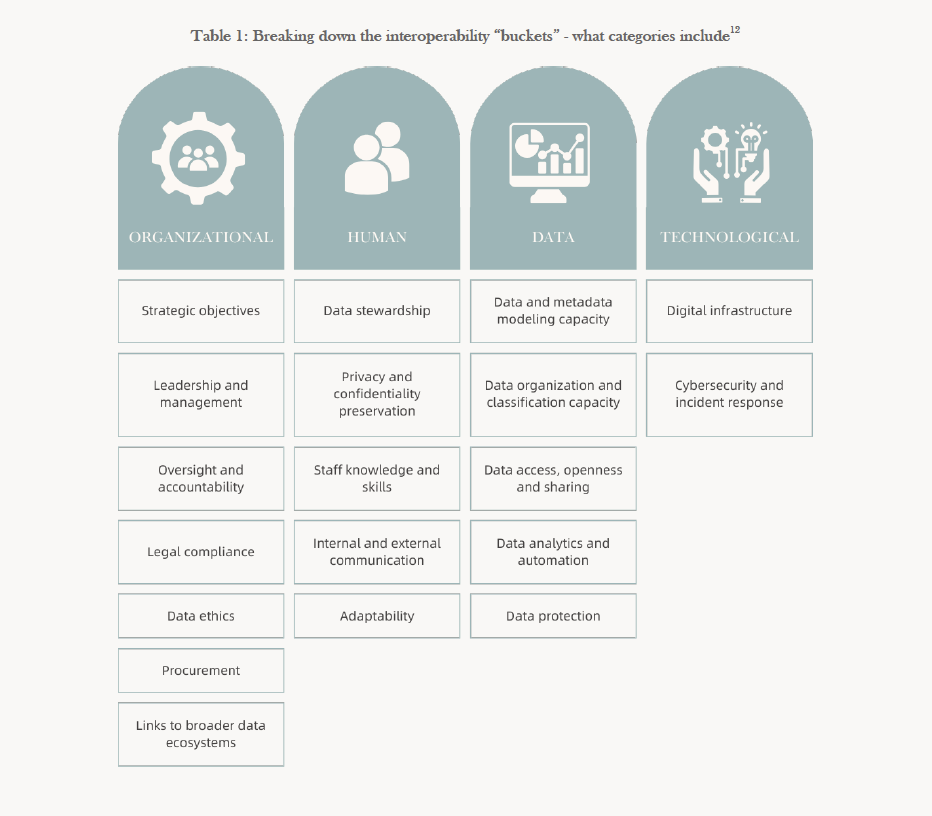
This blog post gives an overview on our latest paper on interoperability, implementing interoperable solutions in partnership with public administrations. Based on over 20 years of DG’s experience, the paper demystifies key components needed to build robust, resilient, and interoperable data systems, focusing on the “how” of data standardization, data governance, and implementing technical infrastructure.