
Using Soil Analytics and Digital Maps to Drive Food Security Policy in Ghana
Soil data in Ghana has expanded, but fragmentation limits its use in policy and investment decisions. This brief outlines how integrating soil analytics and digital maps into planning can improve targeting, resilience, and evidence-based decision-making.
Defining Decision-Making: Connecting the Dots Between Data and Impact
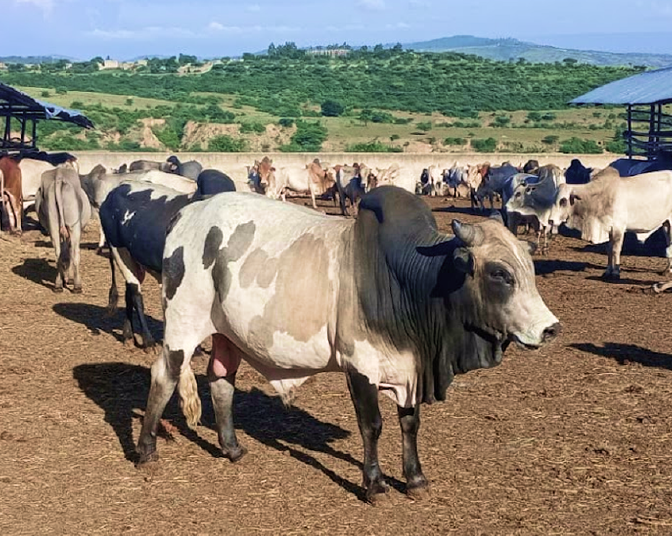
Strong, data-driven decision-making is critical for transforming the livestock sector and achieving national goals for food security and economic growth. However, we often talk about what is needed to enable strong decisions and the potential outcomes of data-driven decision-making without connecting the dots. What decisions are we actually talking about, between the data on one end and the impact on the other? What does data-driven decision-making actually entail?
The Future of Food Systems: Spotlight on Ethiopia
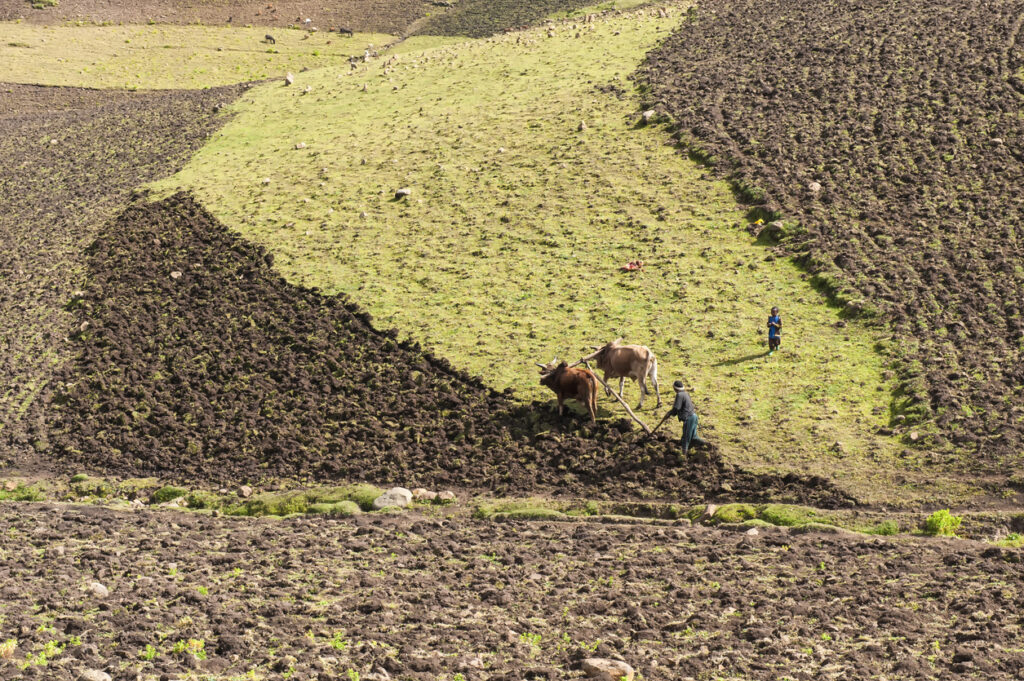
When we discuss food systems, we are not just talking about farms; we are referring to the entire food supply chain. We are talking about how people eat, live, and navigate an increasingly volatile climate.
This blog post analyzes Ethiopia’s national food systems strategy as an example of where UNFSS can go next in strengthening food security globally.
Supporting Ethiopia’s National Soil Fertility and Health Action Plan
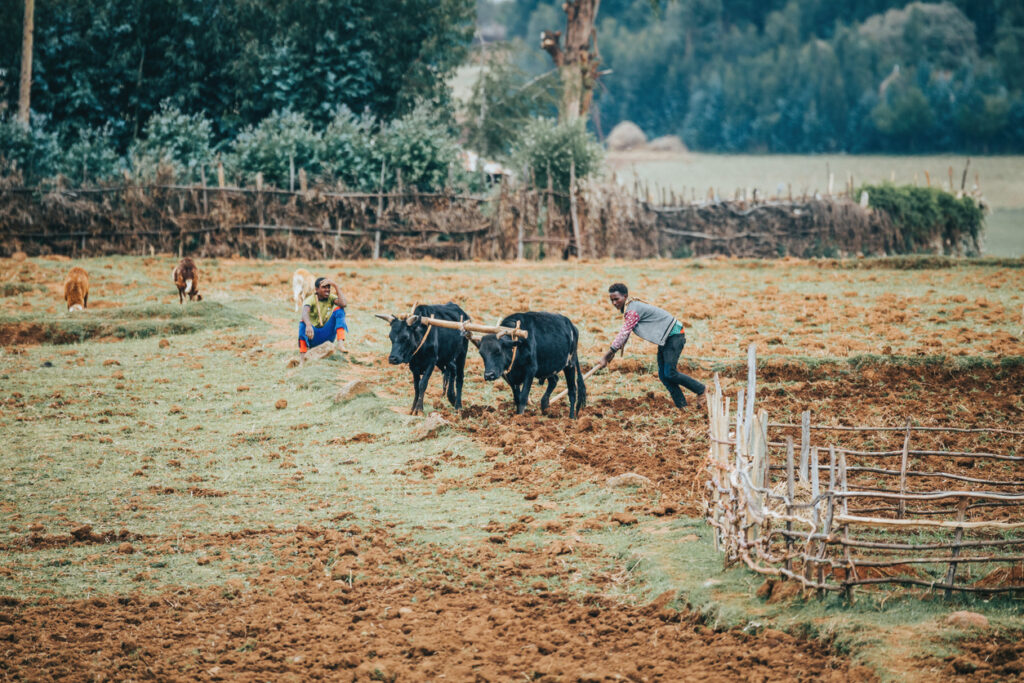
Declining soil fertility remains a major constraint on Ethiopia’s agricultural productivity. This blog reflects on the launch of the National Soil Fertility and Health Roadmap and DG’s support in its development, highlighting lessons on government-led reform and long-term resilience.
Why Africa’s Next Decade in Agriculture Will Be Won or Lost on Data
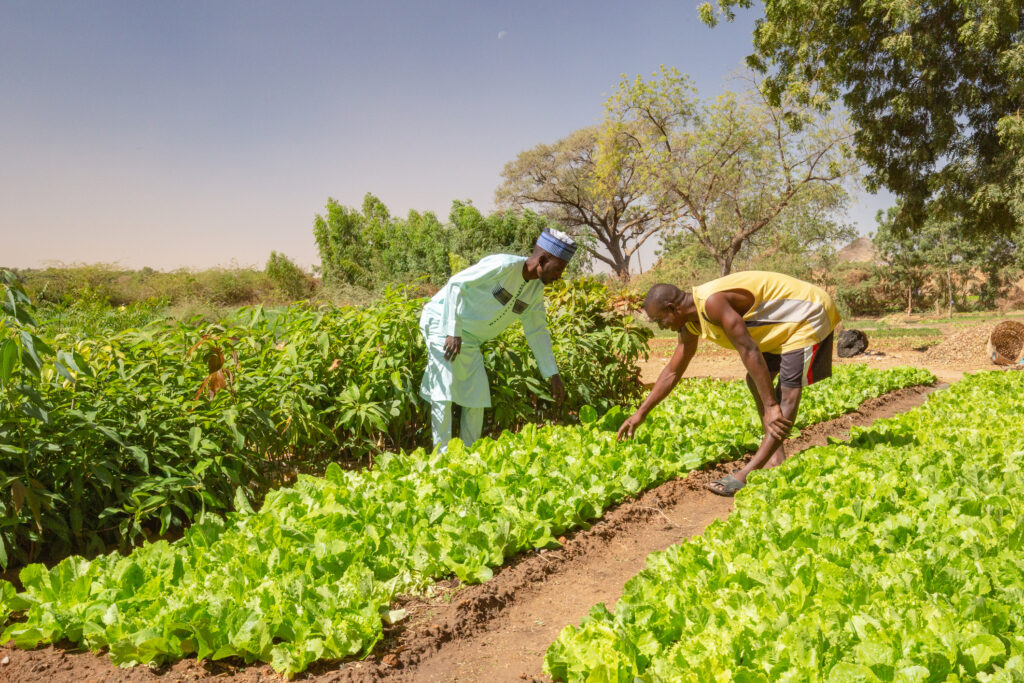
Africa’s agricultural transformation depends on stronger data foundations. This blog explores how investing in timely, reliable data can help advance the goals of the new CAADP cycle, strengthen accountability, and unlock more effective digital and AI-driven agriculture.