Custom Assessment Landscape Methodology 2.0 – Reflections After Five Years

Our new white paper re-introduces our flagship methodology, Custom Assessment Landscape Methodology (CALM), to help our partners, collaborators, and teammates better engage with a flexible and adaptive assessment methodology.
Stakeholder, Where Art Thou?: Three Insights on Using Governance Structures to Foster Stakeholder Engagement
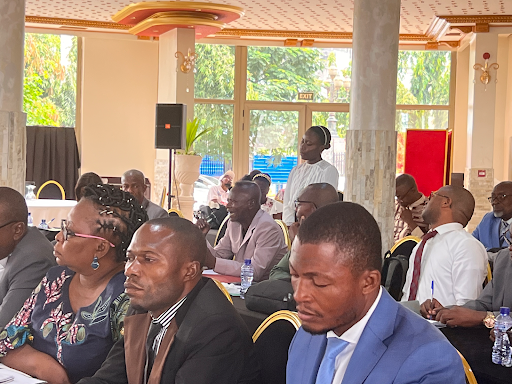
Through our Tobacco Control Data Initiative (TCDI) program and its sister program Data on Youth and Tobacco in Africa (DaYTA), we have learned that creating governance structures, such as advisory boards or steering committees, is one approach to ensuring that digital solutions appropriately meet stakeholders’ needs and foster future stakeholder engagement. In this blog, we explore three insights on how governance structures can advance buy-in with individual stakeholders while connecting them to one another.
Enhancing Livestock Traceability in Ethiopia with Mobile Tech
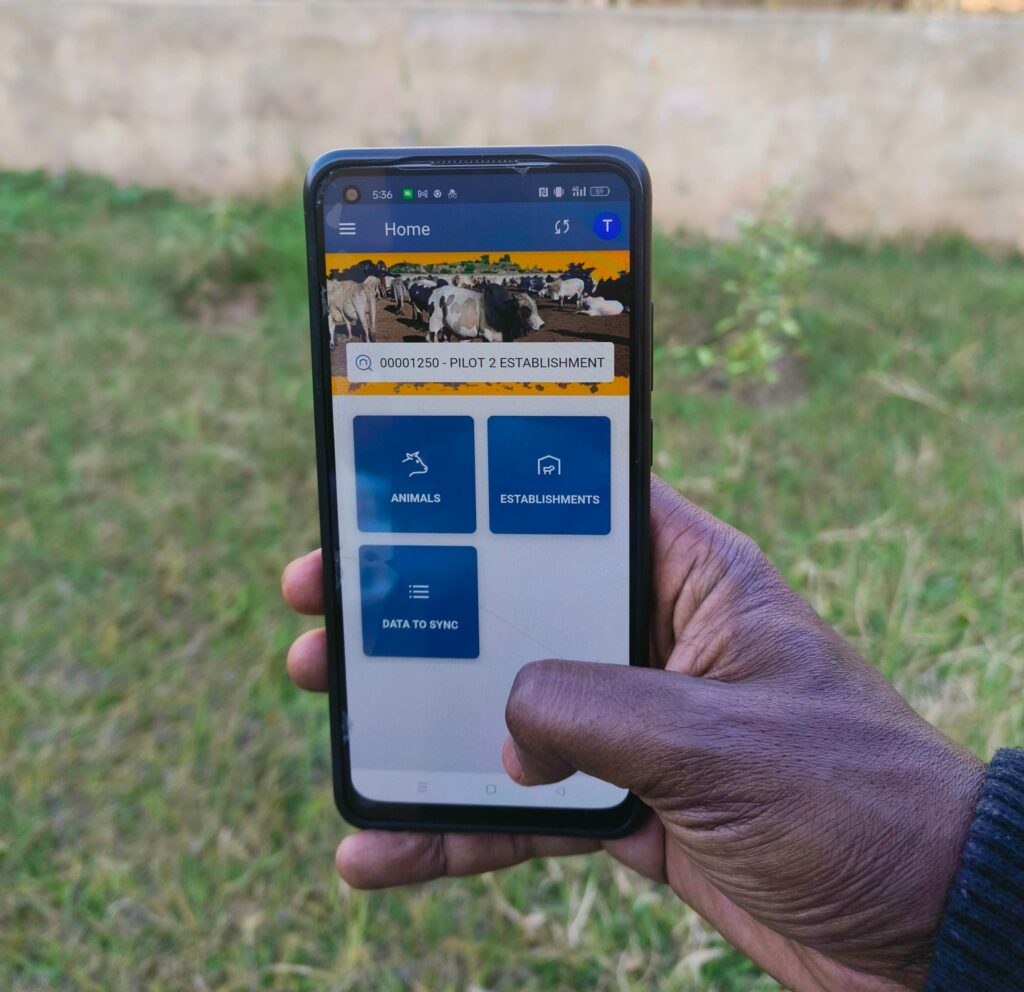
Ethiopia has the largest livestock population in Africa. To support the effective management of this vast sector, Development Gateway, through the aLIVE program, is working to enhance key livestock information systems for Ethiopia’s Ministry of Agriculture. Read more.
Launching a Partnership Matching Service for Nonprofits
While a lot of us have talked about the potential, value, and – in some cases – need for more mergers and acquisitions in the non-profit space, recent events have made it clear: now is the time.
That’s why the teams at Accountability Lab, Development Gateway: An IREX Venture and Digital Public, partnered up to develop both a new toolkit, a partnership matching service, and professional support infrastructure aimed at assisting the organizations facing this challenge.
From Data Gaps to Impact: Key Insights from the VIFAA Program
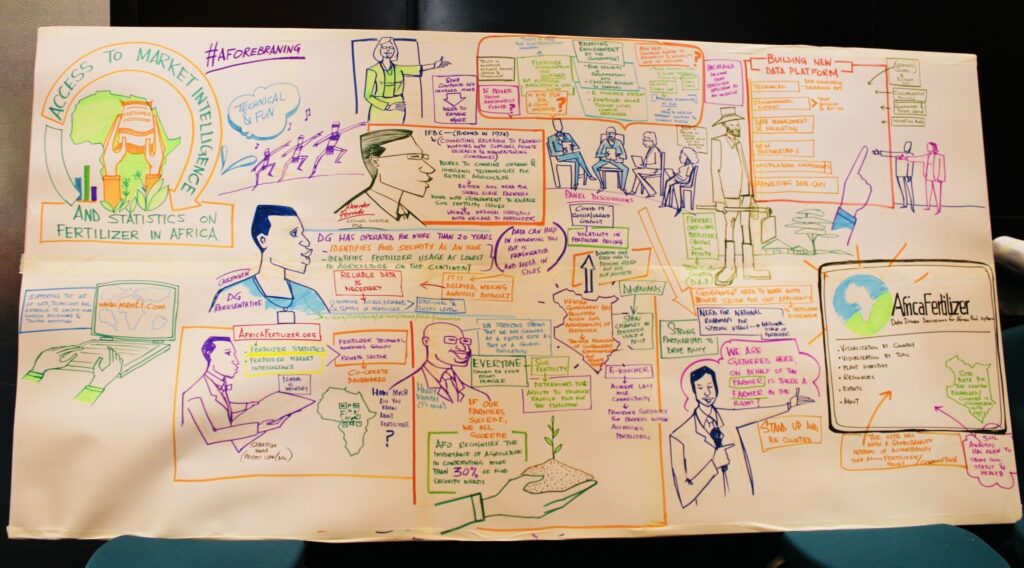
Over the last six years, DG, together with its partners AfricaFertilizer (AFO) and Wallace & Associates, collaborated to implement the Visualizing Insights on Fertilizer for African Agriculture (VIFAA) Program. In the program’s final year (2024), the team undertook a “program learning process” to reflect on outcomes, challenges, and successes through internal interviews. This blog captures five key learnings, which we hope will guide similar programs aiming to bridge data gaps in agricultural development.
Introducing The HackCorruption Civic Tech Tools Repository

Introducing the Civic Tech Tools Repository: an open-source hub of digital solutions to fight corruption. Designed for growth through GitHub contributions, it brings together tools, code, and resources across six key areas for HackCorruption teams and beyond.