
Strategic Plan: FY 2026-2028
Dramatic geopolitical, financial, and technological shifts are reshaping digital systems worldwide. DG’s Strategic Plan 2026-2028 advances resilient, interoperable, and locally owned digital foundations that strengthen public service delivery and responsible innovation.
Strengthening Livestock Data Use through Capacity Building
The aLIVE project launched a structured data-use training in 2023 to equip managers of five key livestock systems with practical skills in handling, processing, and visualizing data. This report shares the outcomes, including hands-on use of tools like Excel and Power BI, and offers recommendations to build on this progress.
Tracking Climate Finance in Africa: Political and Technical Insights on Building Sustainable Digital Public Goods
In this new white paper, we explore the importance of climate finance tracking (CFT), common barriers to establishing climate finance tracking systems, and five insights on developing climate finance tracking systems.
Measuring digital transformation? Get real.

Senior Associate Annie Kilroy explores the limitations in how digital transformation has been measured and outlines recommendations for how to better assess the value and impact of digital transformation.
Designing Data Visualizations: Merging Best Practices and Design Thinking
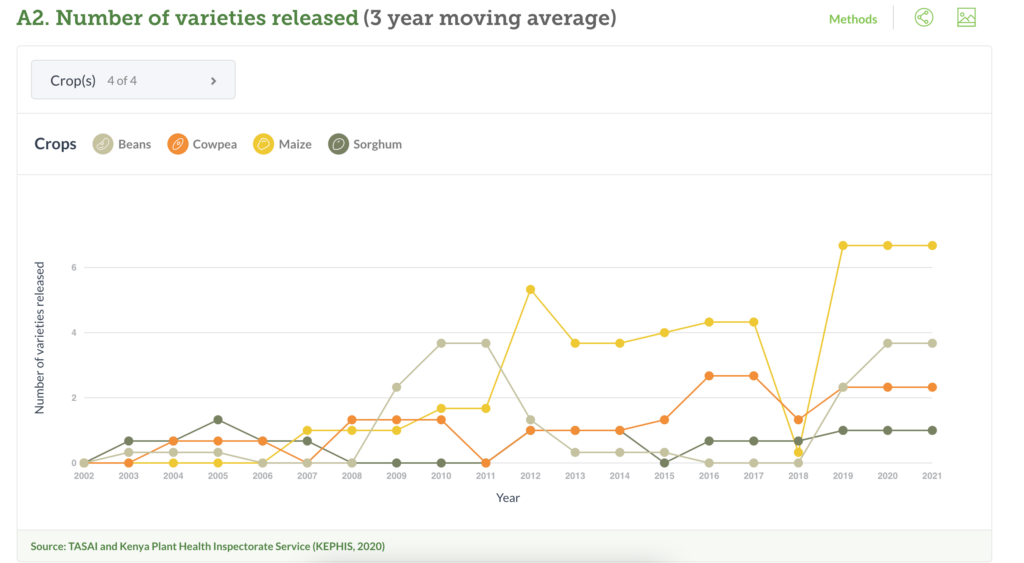
DG has been co-designing data visualizations with partners and stakeholders for over a decade. Thinking about the ways people process information is crucial to developing easy-to-understand data visualizations. In this post, we examine best practices for incorporating user-centered design into our data visualization outputs.
HackCorruption: Leveraging Technology & Building Community to Fight Corruption

Corruption hampers development, undermines fair competition, and erodes social trust crucial for sustaining democratic systems. Addressing this issue requires innovative solutions that disrupt opaque and exploitative power dynamics; it’s under this idea that HackCorruption was formed.
The Future of Technology Governance and Global Development: Why DG Brought DataReady In-house

DG is excited to announce we now have more robust data governance advisory services with the recent integration of DataReady.
Letting the Sunshine in: Building Inclusive, Accountable, and Equitable Climate Finance Ecosystems
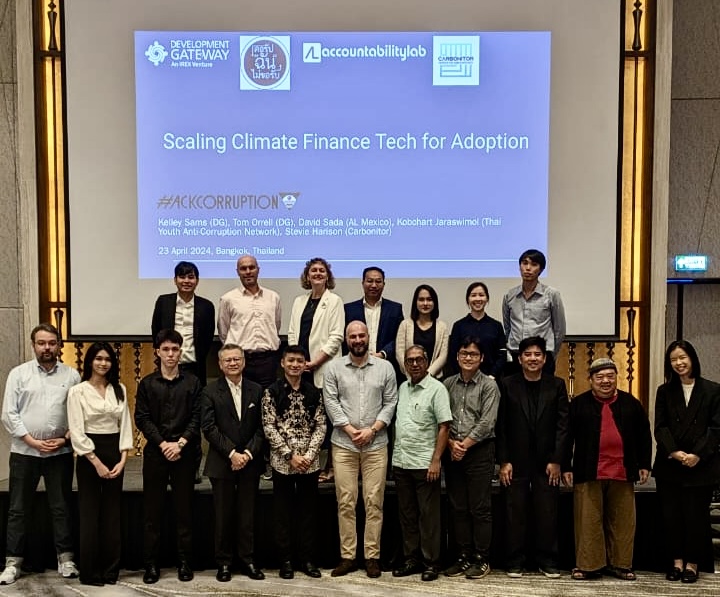
In April, DG, HackCorruption, and the Thai Youth Anti-Corruption Network hosted a roundtable in Bangkok to discuss climate financing. This blog explores the main takeaway: a multi-disciplinary and multi-stakeholder approach that prioritizes local contexts, inclusive governance, transparency, accountability, and equitable distribution of resources is essential to impactful climate financing.
The Data Crisis Following USAID’s Withdrawal: Opportunities to Reimagine Data Systems

For decades, USAID and other US government funding supported global data systems, from health surveys and early warning tools to digital infrastructure for ministries. The abrupt termination of USAID funding has triggered twin crises: a halt to data collection and the undermining of digital systems – reveal existing inefficiencies and instabilities in how data is collected, managed, and shared both within and between countries.