DG Developing Open Source AI Tool to Help with the Fight against Corruption
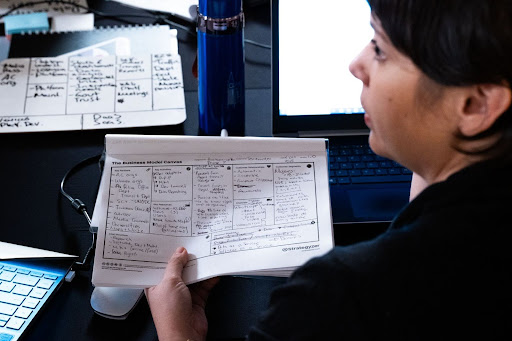
We’re excited to announce our forthcoming open-source AI tool to support anti-corruption work. The tool, which we hope to register as a Digital Public Good, will be used to extract text from complicated contracts and support anti-corruption efforts by increasing accessibility of and transparency around hard-to-access information.
How Useful Is AI for Development? Three Key Lessons

The development world is buzzing with excitement over the idea that new and emerging applications of AI can supercharge economic growth, accelerate climate change mitigation, reduce inequalities, and more. But what does this look like in real life?
Episode 3, Season 3 | Context and Climate Action: A Conversation between the Local Development Research Institute and DG
In episode 3, Season 3 of “Data…for What?!,” DGer Charlene Migwe-Kagume and special guest Leonida (Leo) Mutuku discusses LDRI’s early warning system, an AI tool that is being used to enable farmers to plan and manage their harvest more effectively by using local and global data on weather patterns, crop yields, etc.
Episode 2, Season 3 | The Great Green Wall: How Data Can Advance One of Africa’s Most Ambitious Efforts to Combat Climate Change
In episode 2, Season 3 of “Data…for What?!,” host Vanessa Goas and special guests former DGer Joshua Mbai and Gilles Amadou Ouédraogo, Programme Management Officer for the Great Green Wall Accelerator at the United Nations Convention to Combat Desertification, discuss the Great Green Wall Initiative, the Great Green Wall Observatory, and how the the United Nations Convention to Combat Desertification and DG are committed supporting new and ongoing efforts aimed at combating climate change.
The Future of Technology Governance and Global Development: Why DG Brought DataReady In-house

DG is excited to announce we now have more robust data governance advisory services with the recent integration of DataReady.
Connecting Digital Dreams to Infrastructure Needs: Three Lessons from the aLIVE Program
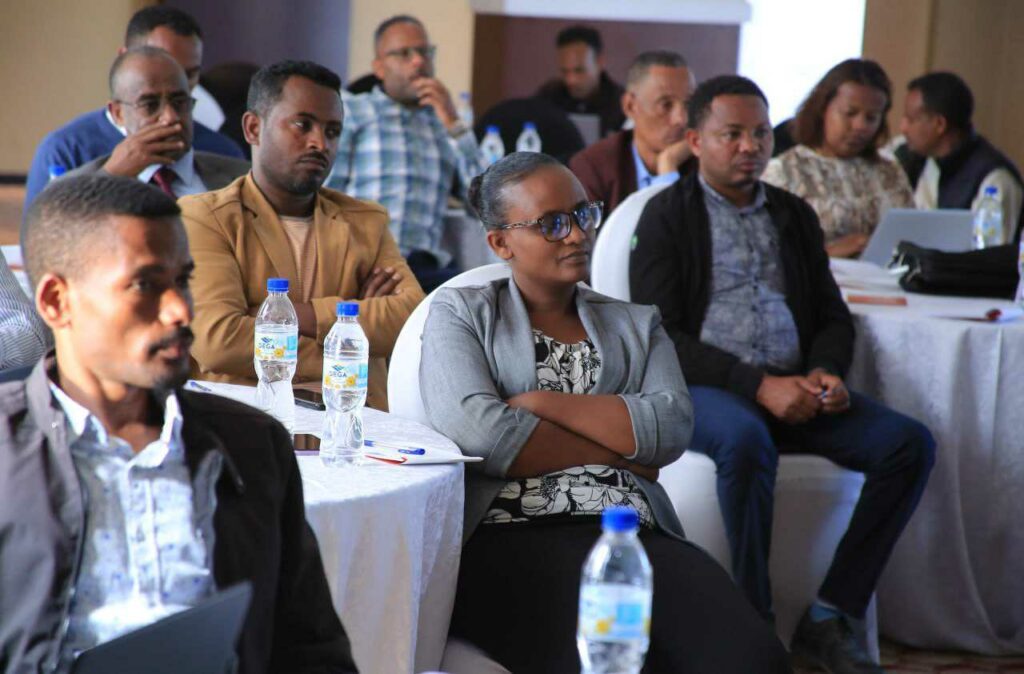
After eighteen months of implementing the aLIVE program, we’ve learned three lessons on how to best support our partners in Ethiopia, advance our work in data systems and management, and ultimately, reach our overall goal of supporting Ethiopia in achieving food security and building a more robust, independent economy.
Case Study: Fostering Sustainable Agriculture through Data-Driven Collaboration and Partnership: Ethiopia, Mozambique, and Nigeria
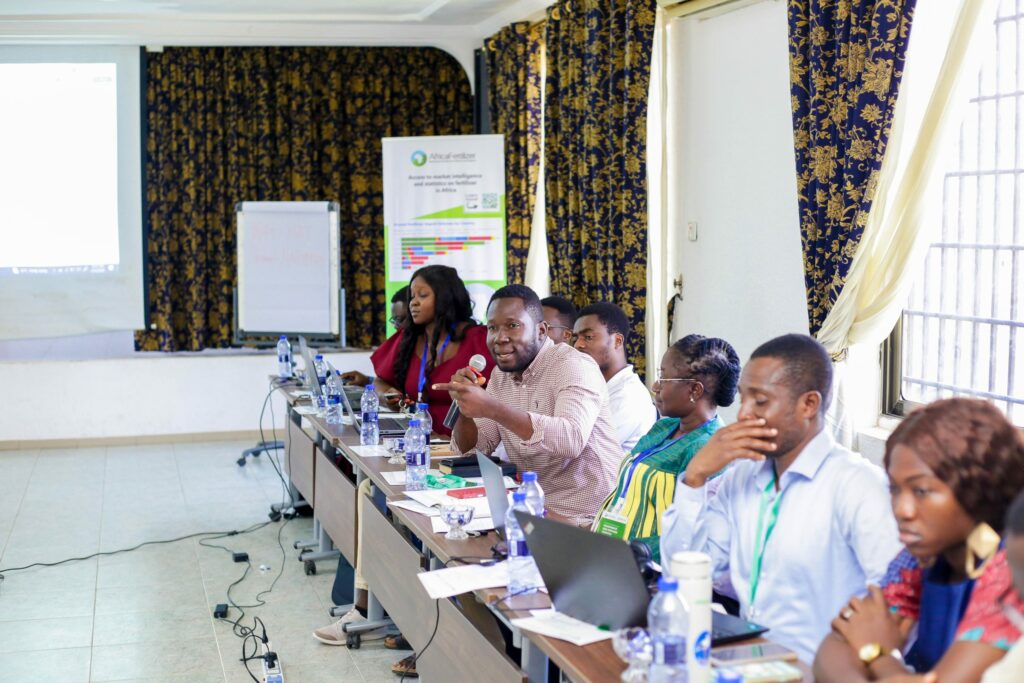
Through DG’s Visualizing Insights on Fertilizer for African Agriculture (VIFAA) program, we recently published a case study titled “Fostering Sustainable Agriculture through Data-Driven Collaboration and Partnership: Ethiopia, Mozambique, and Nigeria.” It dives deep into how the VIFAA program has impacted the fertilizer data and markets in Ethiopia, Mozambique, and Nigeria. In this blog, we explore the overall impact that the VIFAA program is making, why the program was needed, and offer some key highlights from the case study.
Diving into the DaYTA Program’s Data Collection Process
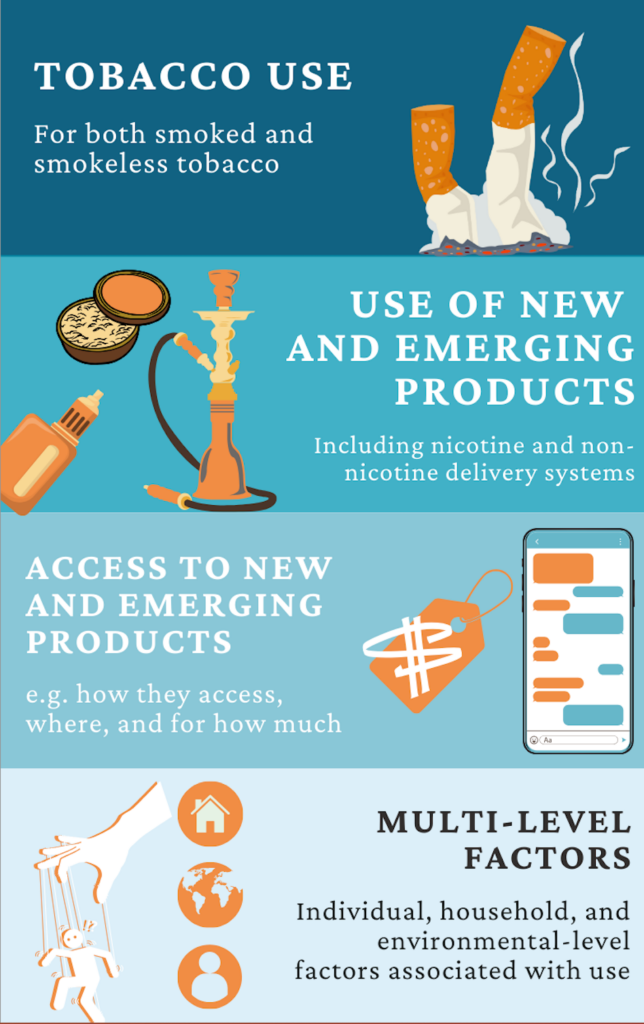
This blog explores key insights from the DaYTA program, offering practical guidance for researchers on effective data collection, overcoming field challenges, and leveraging local partnerships to enhance tobacco control efforts. This piece is especially timely following DaYTA’s workshop convening all 3 study country stakeholders to review the survey results and strategize on how best to disseminate this data to target audiences. This workshop took place from in Lagos, Nigeria, from November 18-20th.
Demystifying interoperability: Key takeaways from our new white paper
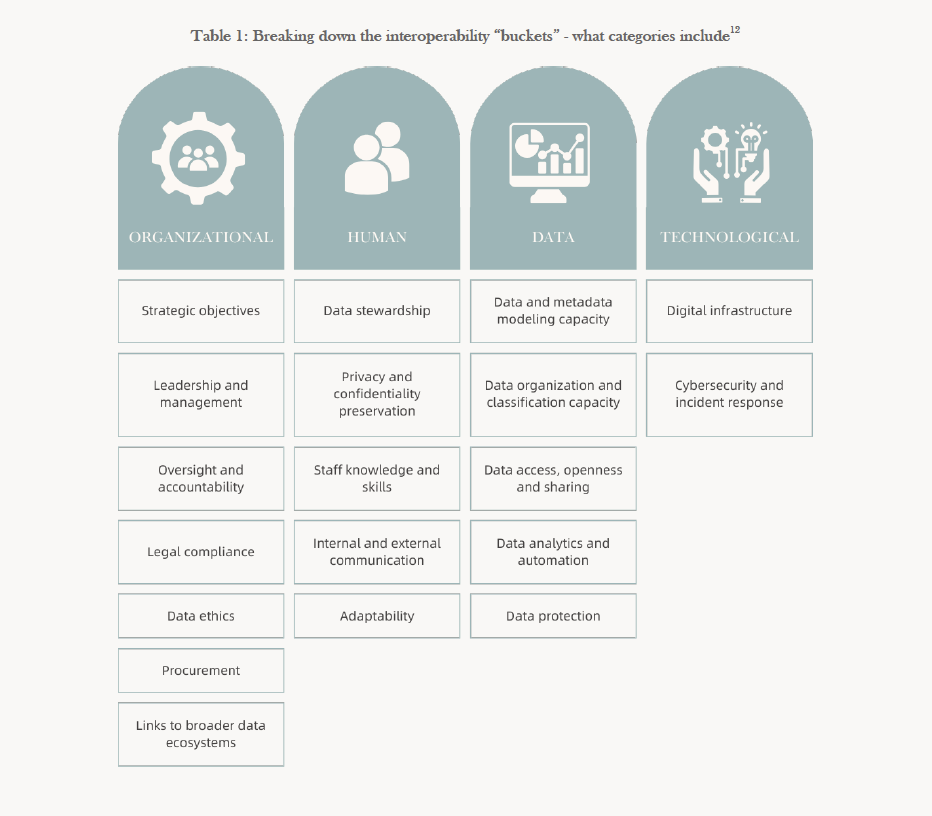
This blog post gives an overview on our latest paper on interoperability, implementing interoperable solutions in partnership with public administrations. Based on over 20 years of DG’s experience, the paper demystifies key components needed to build robust, resilient, and interoperable data systems, focusing on the “how” of data standardization, data governance, and implementing technical infrastructure.