
Understanding Data Use: Building M&E Systems that Empower Users
The August 2018 paper, Understanding Data Use: Building M&E Systems that Empower Users, emphasizes how critical it is for decision-makers to consider users’ decision space – from the institutional all the way to technical levels – in achieving data uptake
Apporter les données là où ça compte (FR)
Apporter les données là où ça compte (FR)
Delivering Data Where it Counts: Principles for Subnational Data Use (EN)
Delivering Data Where it Counts: Principles for Subnational Data Use (EN)
Data for Children Landscape Diagnostic Policy Brief: UNICEF Ethiopia
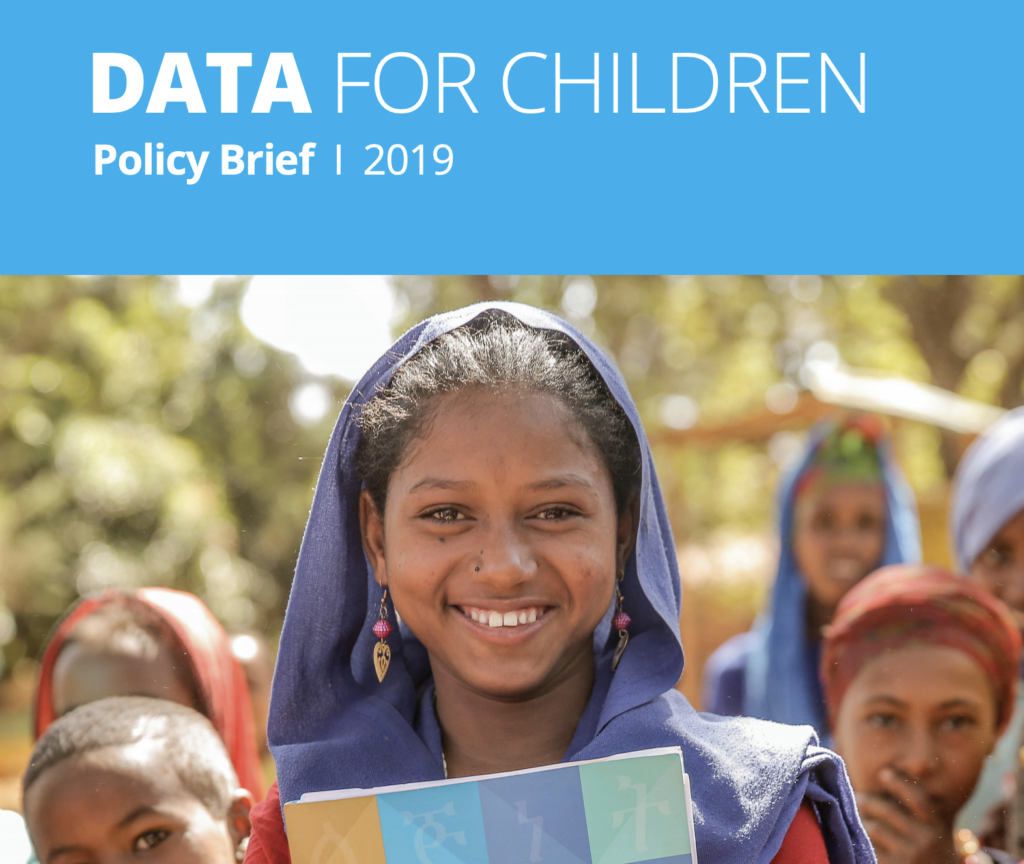
Data for Children Landscape Diagnostic Policy Brief: UNICEF Ethiopia
Data for Children Landscape Diagnostic: UNICEF Lesotho
Data for Children Landscape Diagnostic: UNICEF Lesotho
Data for Children Landscape Diagnostic: UNICEF Philippines
Data for Children Landscape Diagnostic: UNICEF Philippines
Designing Data Strategies: A Playbook for Action
For most global development and humanitarian agencies, data has historically been either a niche activity or fragmented task. But in the era of a ‘data revolution for sustainable development’ – and in a time of increasing financial scrutiny – institutions increasingly consider data and digital to be a strategic asset. This paper aims to provide a structured overview of lessons learned that may be used by those seeking to develop and implement a data strategy within international development and humanitarian organizations.
Farmer-Centric Data Governance: Towards A New Paradigm
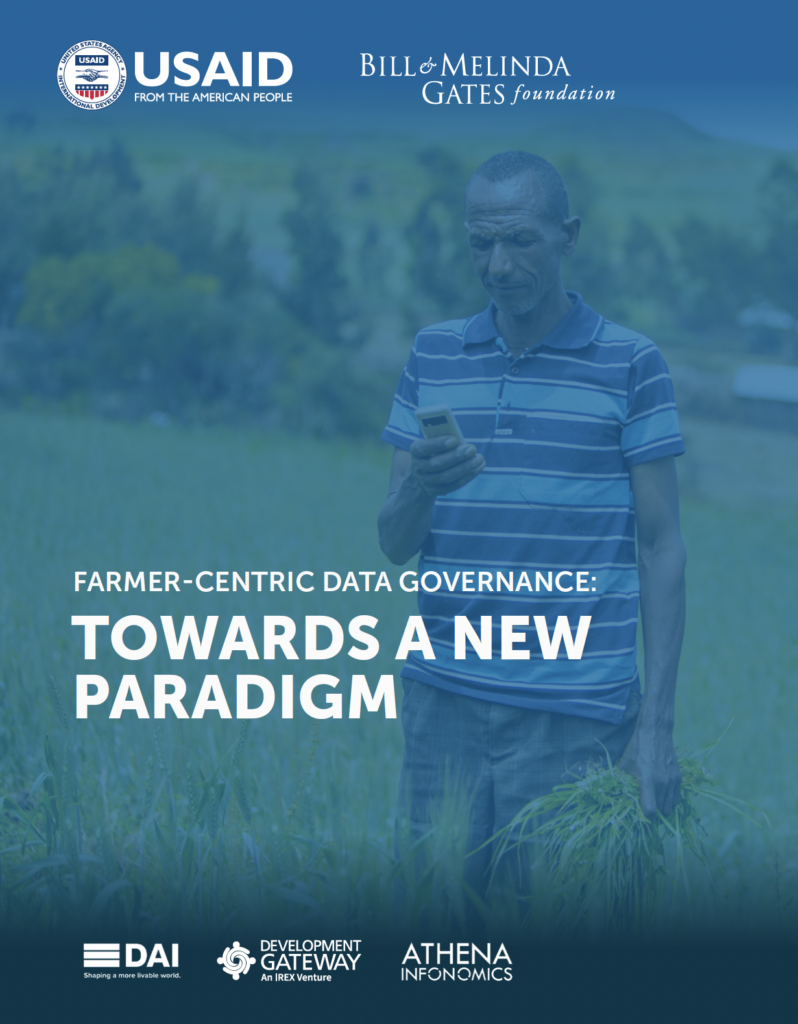
Background The potential benefits of digital agriculture are prolific. However, farm data is generally collected by others, and smallholder farmers rely on external resources, like weather data, and proprietary tools that provide specific advisories. Farmers face a paradox: while the use of data holds much potential, control over power, resources, and data governance challenges raise the possibility that farmers do not benefit from their own data. The current data economy is defined by a paradigm of extraction and a lack of consideration of equity, whereby the role of farmers and communities g
Assessing the Impact of Data Use on Decision-Making in the Ministry of Agriculture
The aLIVE project has provided data use training and hands-on technical support to the Ministry of Agriculture of Ethiopia digital system owners and experts across the livestock sector to promote data-driven decision-making. This assessment captures the impact of the training and hands-on support.