
What We Know So Far: Best Practices in Developing Data Governance Frameworks

Data governance frameworks are essential as data and technology continue to become increasingly central to how governments, institutions, groups, and individuals all interact with one another and among themselves. Here are the best practices DG has learned in creating data governance frameworks so far.
Episode 5, Season 1 | Exploring Digital Transformation & Emerging Technology
Our final episode of “Data… for What!?” about our strategic plan Josh Powell speaks with Fernando Ferrayra and Annie Kilroy about digital transformation, ways to center the user, and our approach to emerging technologies.
Farmer-Centric Data Governance Assessment: A New Paradigm For LMICs

Our objective in the DAI Farmer-Centric Data Governance Project is to demonstrate opportunities of emerging user-centric models and actions required to create an enabling environment of socio-technical factors needed for implementation.
DG at the African Green Revolution Forum (AGRF)
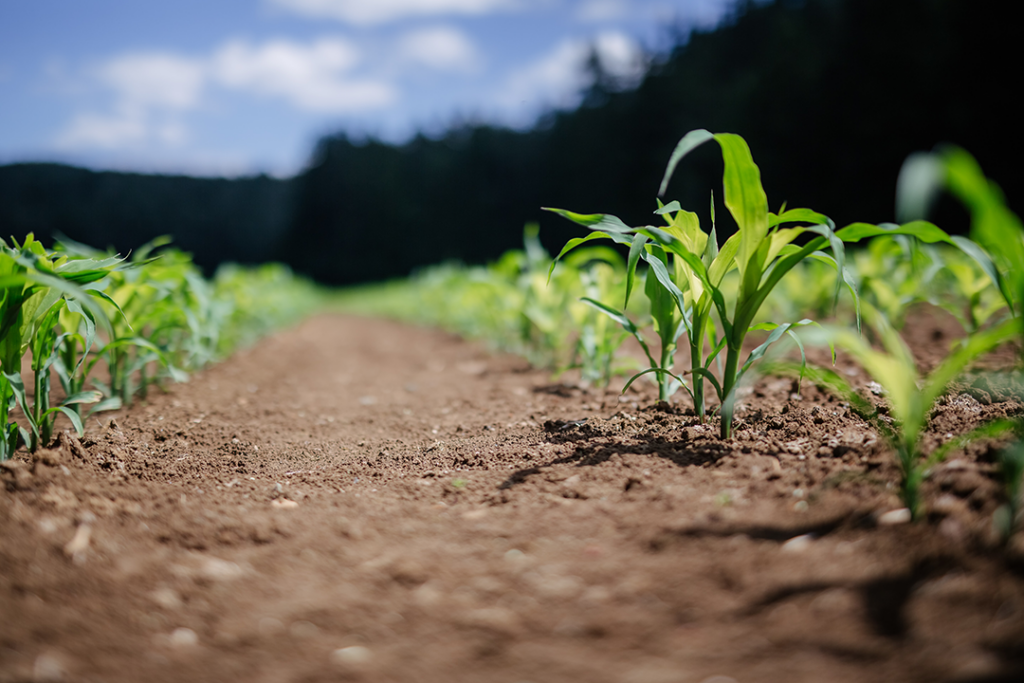
Representatives from Development Gateway: an IREX Venture (DG) will be attending the African Green Revolution Forum (AGRF) from September 5-9 in Kigali, Rwanda to highlight two projects: the Visualizing Insights on African Agriculture (VIFAA) project and the Farmer-Centric Data Governance Models project.
Farmer-Centric Data Governance Models: Protecting Farmers and Food Systems Today and Tomorrow
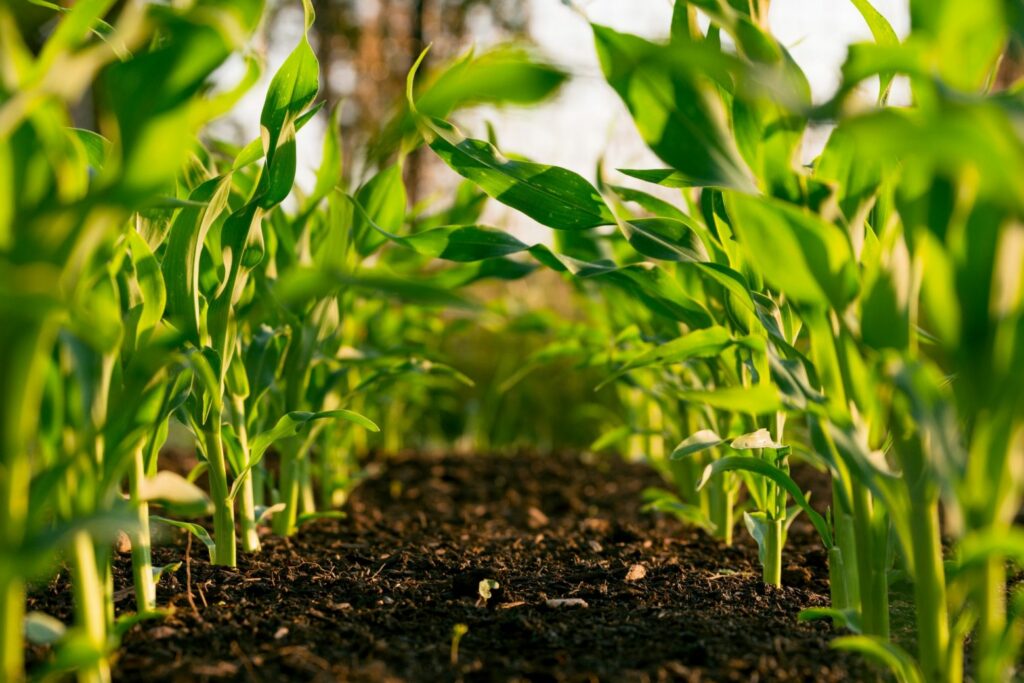
As farmers become more reliant on AgTech, they may find that the AgTech providers controlling these technologies (i.e., companies, nonprofits, and governments) are more integrated than ever before, resulting in a few organizations having unprecedented access to and control of farmers’ data. This dynamic results in positive and negative outcomes for farmers. Therefore, farmers face the paradox of using AgTech and adding value to their work, communities, and food systems while giving large amounts of data to AgTech companies that have, at best, limited plans for protecting farmers’ data. In this blog, we identified recommendations and next steps for AgTech providers on how to ensure that their technology benefits smallholder farmers.
Episode 2, Season 2 | Risks and Rewards: Exploring Data Governance, Open Data, and Data Protections
In episode 2 of “Data…for What?!” Beverley Hatcher-Mbu speaks with special guests Natalia Carfi and Swee Leng Harris about open data and data protection. Tune in now!
Episode 1, Season 2 | Surveying the Data Governance Landscape: From Data Governance Models to Accountability
Kicking off season 2 of DG’s podcast, “Data…for What?!” Beverley Hatcher-Mbu spoke with special guest Sean Martin McDonald about the data governance landscape, models, and accountability.
How Increasing Trust Can Help to Deliver the 2030 Agenda

The Festival De Datos is here, marking a pivotal moment to assess our journey with data for development. At DG, we’ve championed leveraging data and tech for a more equitable, sustainable world. But to fulfill this vision, we need to push for a fair data future and establish a culture of trust and cooperation in data use.
Episode 4, Season 2 | Case Study Comparison: Data Governance and Protection in India and Kenya
In episode 4 of “Data…for What?!,” Beverley Hatcher-Mbu and special guests Shreeja Sen, Research Associate at IT for Change, and Dr. Melissa Omino, Acting Director at Strathmore University’s Centre for Intellectual Property and Information Technology Law, discuss data governance and protection in India and Kenya.